First Shoes for Toddlers: When to Buy and What to Get
Stop buying shoes for your baby. Seriously. Babies who aren't walking don't need shoes. Shoes before walking can actually interfere with foot development because feet need to grip, flex, and feel the ground to develop properly. Socks or soft booties for warmth are fine. Hard-soled shoes before walking are not.
When to Buy First Shoes
When your baby is walking outdoors. That's it. Indoor walking should be barefoot or in non-slip socks. Once they're walking on sidewalks, at the park, or anywhere with surfaces that could hurt their feet, it's shoe time. For most babies, that's somewhere between 10 and 18 months.
What to Look For
**Flexible soles.** You should be able to bend the shoe almost in half. Stiff soles force toddlers to walk differently than they would barefoot, which isn't ideal for developing balance and coordination.
**Wide toe box.** Toddler feet are wider at the toes than at the heel. Most adult-style shoes pinch at the toes. Look for brands that make shoes shaped like actual toddler feet, not miniature adult shoes.
**Lightweight.** Heavy shoes are like ankle weights for a toddler. The lighter the shoe, the more naturally they'll walk.
**Easy on and off.** You'll be putting these on and taking them off multiple times a day. Velcro straps or pull-on styles save everyone time and frustration.
Our Picks
**Stride Rite Soft Motion** ($35 to $45) is the classic first walking shoe and it's good for a reason. Flexible sole, rounded toe box, memory foam insole. They come in a ton of styles and they're durable enough to survive the toddler treatment.
**See Kai Run** ($40 to $50) makes shoes specifically designed for natural foot development. Wide toe box, flexible soles, and they're adorable. A bit pricier but the quality is excellent.
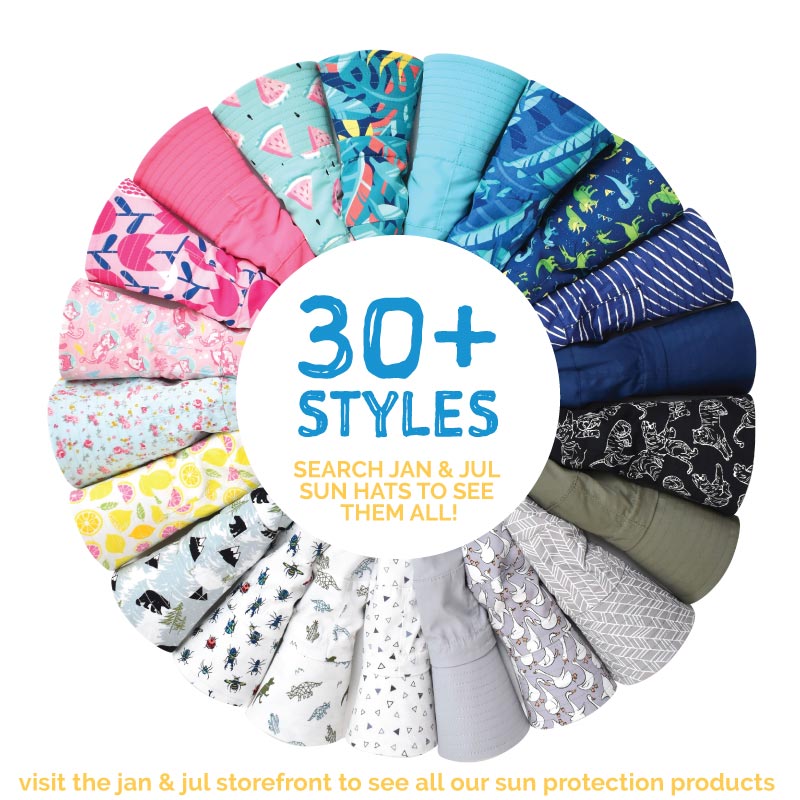
**Jan & Jul** ($30 to $40) are underrated. Super lightweight, flexible, and they have a wide range including waterproof options. Their soft-sole shoes are some of the best for early walkers.
**Ikiki shoes** ($30) squeak with each step, which is actually genius because it encourages heel-to-toe walking and you can hear your toddler running away from you in the store. The squeaker can be turned off when you've had enough.
Getting the Right Size
Toddler feet grow fast. Like, a full size every 2 to 3 months fast. Measure both feet while standing (weight-bearing) and buy the larger size. Leave about a thumb's width of space between the longest toe and the end of the shoe. Don't buy shoes "to grow into" with too much room because they'll trip.
What to Avoid
Fashion-first shoes with rigid soles. Cowboy boots for toddlers (cute but terrible for walking). Hand-me-down shoes (shoes mold to the wearer's foot and can affect a new wearer's gait). Flip-flops or backless shoes (toddlers can't keep them on and they alter walking mechanics).
The Barefoot Controversy
The barefoot shoe movement has reached the toddler market and honestly, there's good evidence behind it. Shoes like Wildlings, Vivobarefoot, and Ten Little are designed to be as close to barefoot as possible. They're more expensive but if natural foot development is a priority for you, they're worth looking into.