
Nursery Safety Checklist: Room-by-Room Guide for New Parents
Setting up the nursery is fun until you start thinking about all the ways a tiny human could get hurt. Don't panic. Most nursery safety is common sense once someone points it out. Run through this checklist before baby arrives and you'll be in great shape.
The Crib
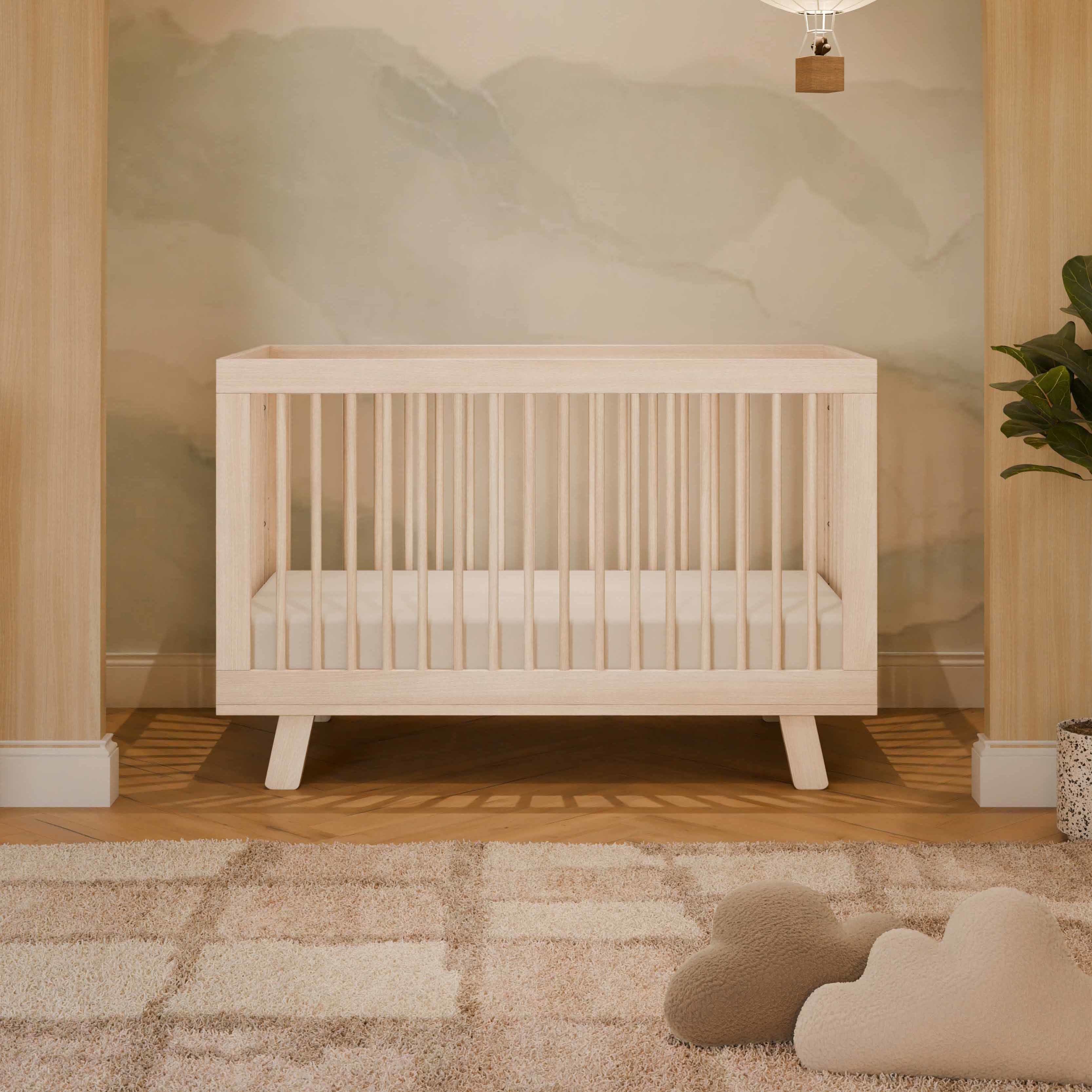
Bare is best. Your crib should have a firm, flat mattress with a fitted sheet and literally nothing else in it. No bumpers, no pillows, no stuffed animals, no blankets, no positioners. The AAP safe sleep guidelines are clear on this. The mattress should fit snugly with no gaps where a baby's face could get wedged. If you can fit more than two fingers between the mattress and the crib side, the mattress is too small.
Furniture Anchoring
Every piece of furniture in the nursery should be anchored to the wall. Dressers, bookshelves, changing tables. This isn't something to do later when baby starts pulling up. Do it now. IKEA includes wall anchoring hardware with their furniture. For other brands, pick up a set of furniture straps on Amazon for under $15. Tip-over accidents are preventable and they happen faster than you'd think.
Window and Cord Safety
Cordless blinds only. If you have existing blinds with cords, replace them or install cord cleats high up where they can't be reached. Window guards or stops are a must for any window a toddler could reach. The nursery window should open no more than 4 inches if it's above ground level.
Electrical and Small Items
Cover every outlet with plug covers or install tamper-resistant outlets. Secure lamp cords behind furniture. Move any small objects (coins, buttons, batteries) out of the room entirely. Button batteries are especially dangerous if swallowed.
Temperature and Air
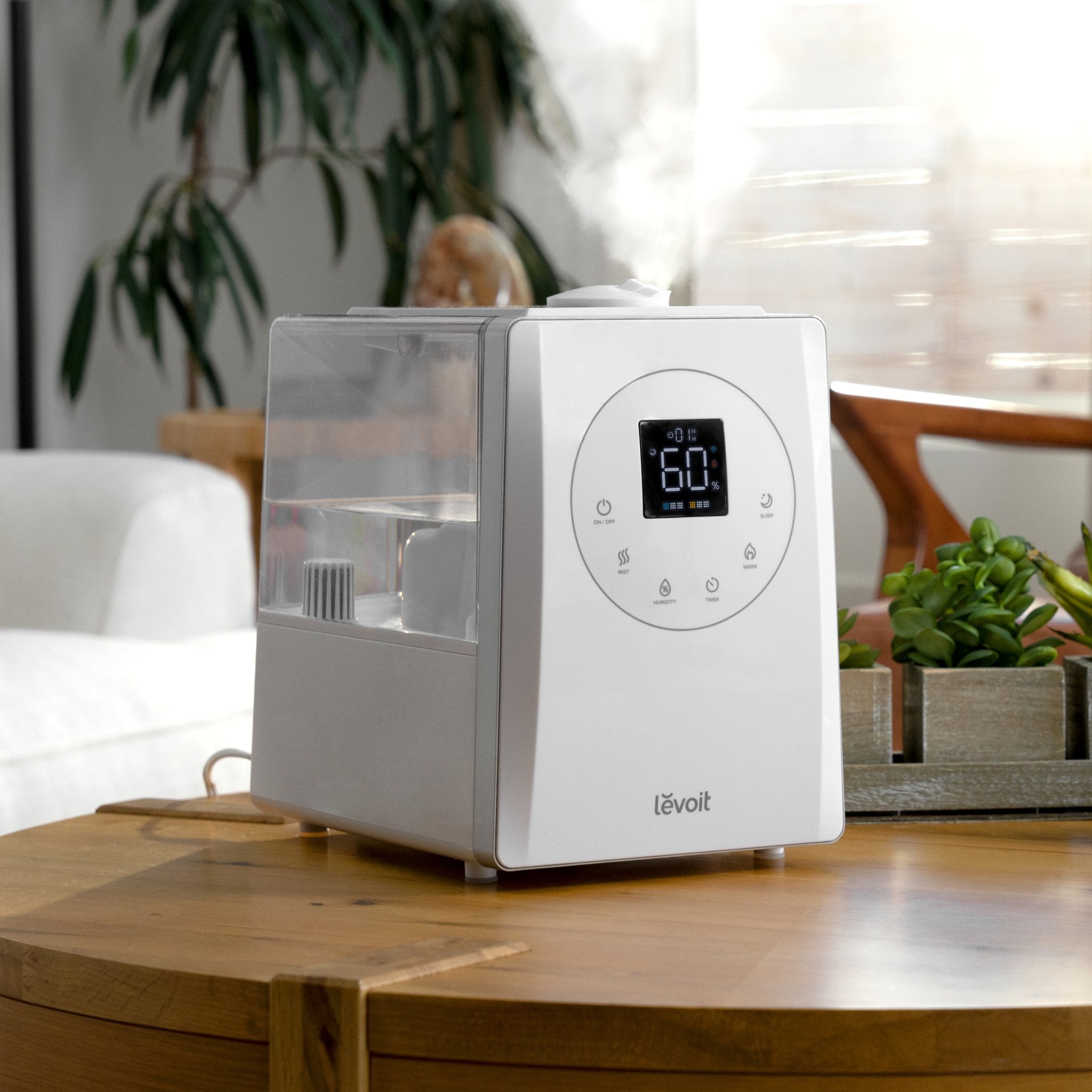
Keep the room between 68-72 degrees F. A simple room thermometer on the wall works fine. Skip the space heater. If you need extra warmth, dress baby in a sleep sack. Make sure the room has good airflow and consider a fan (pointed away from the crib) since air circulation has been shown to reduce SIDS risk.
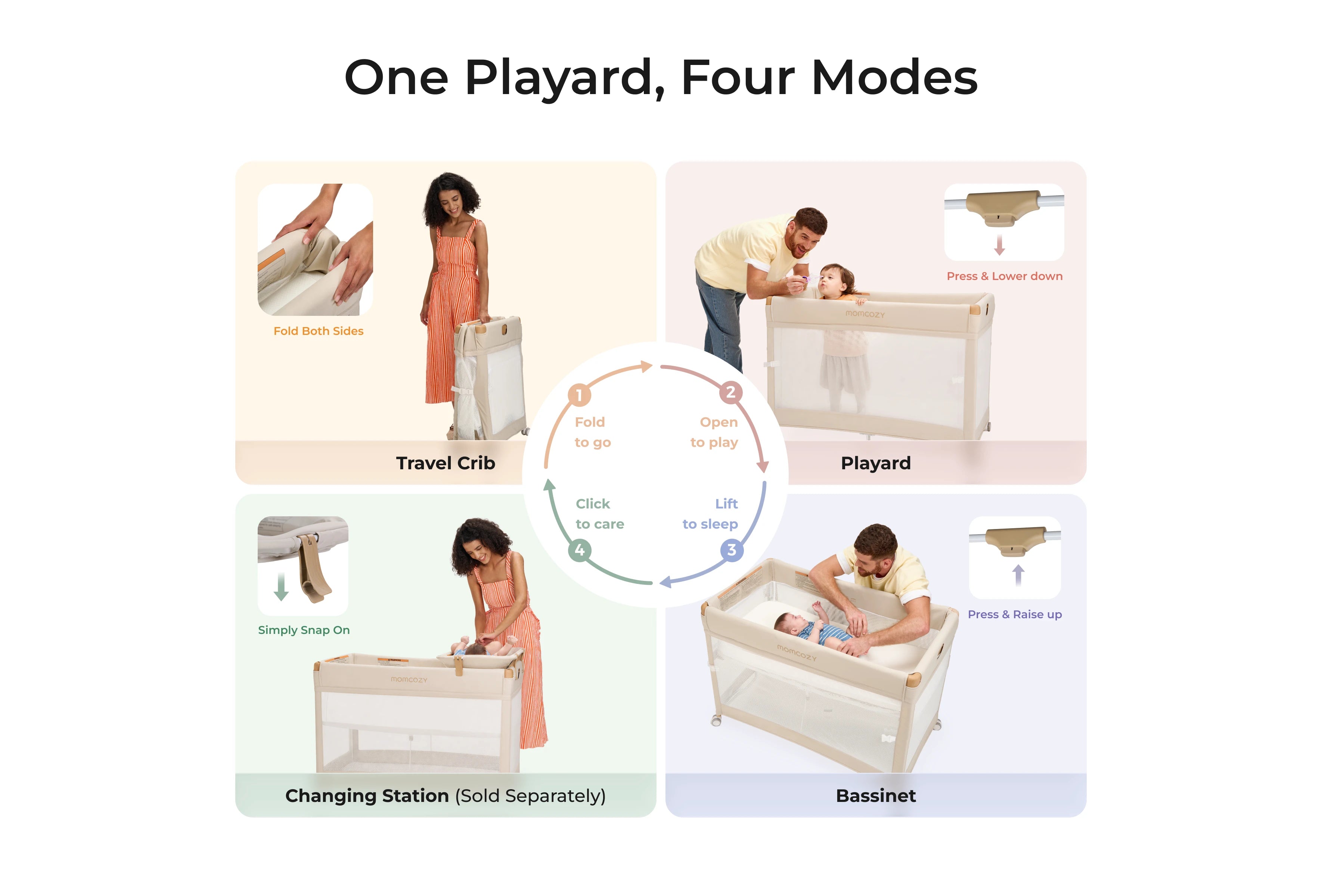
The Changing Area
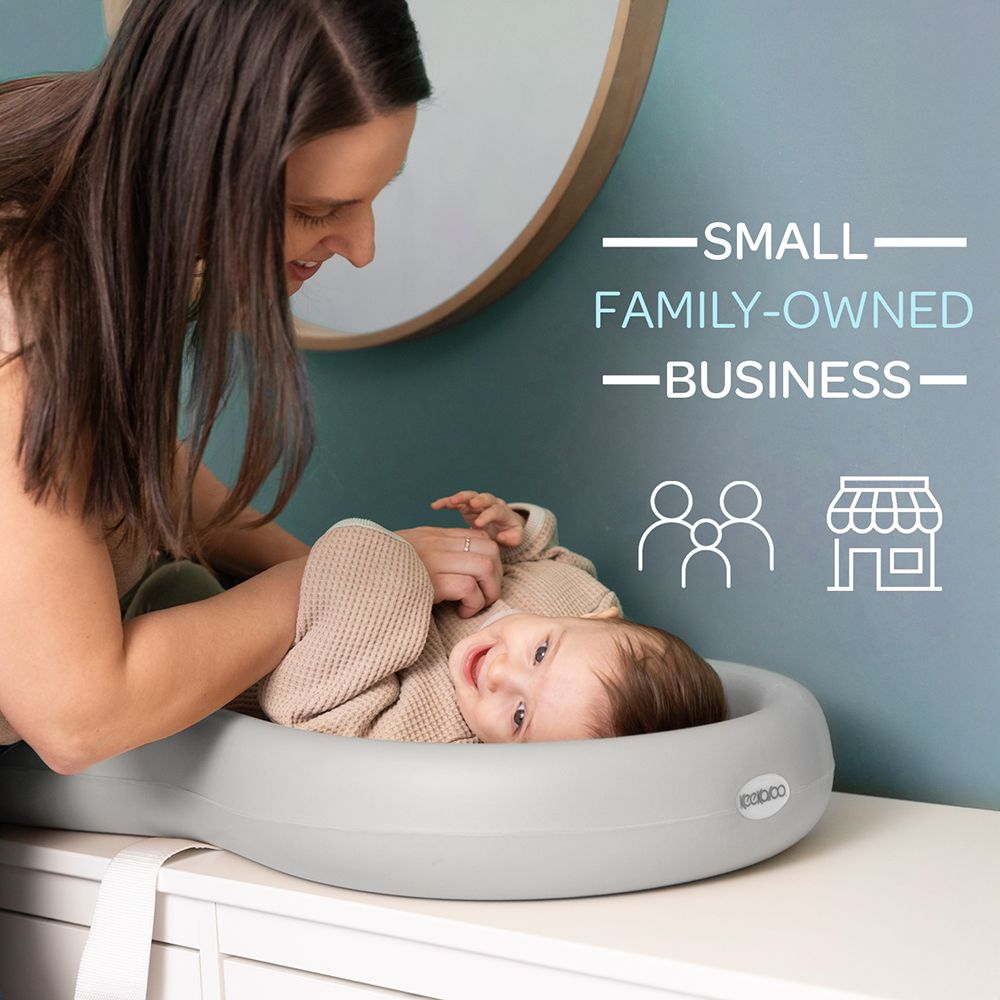
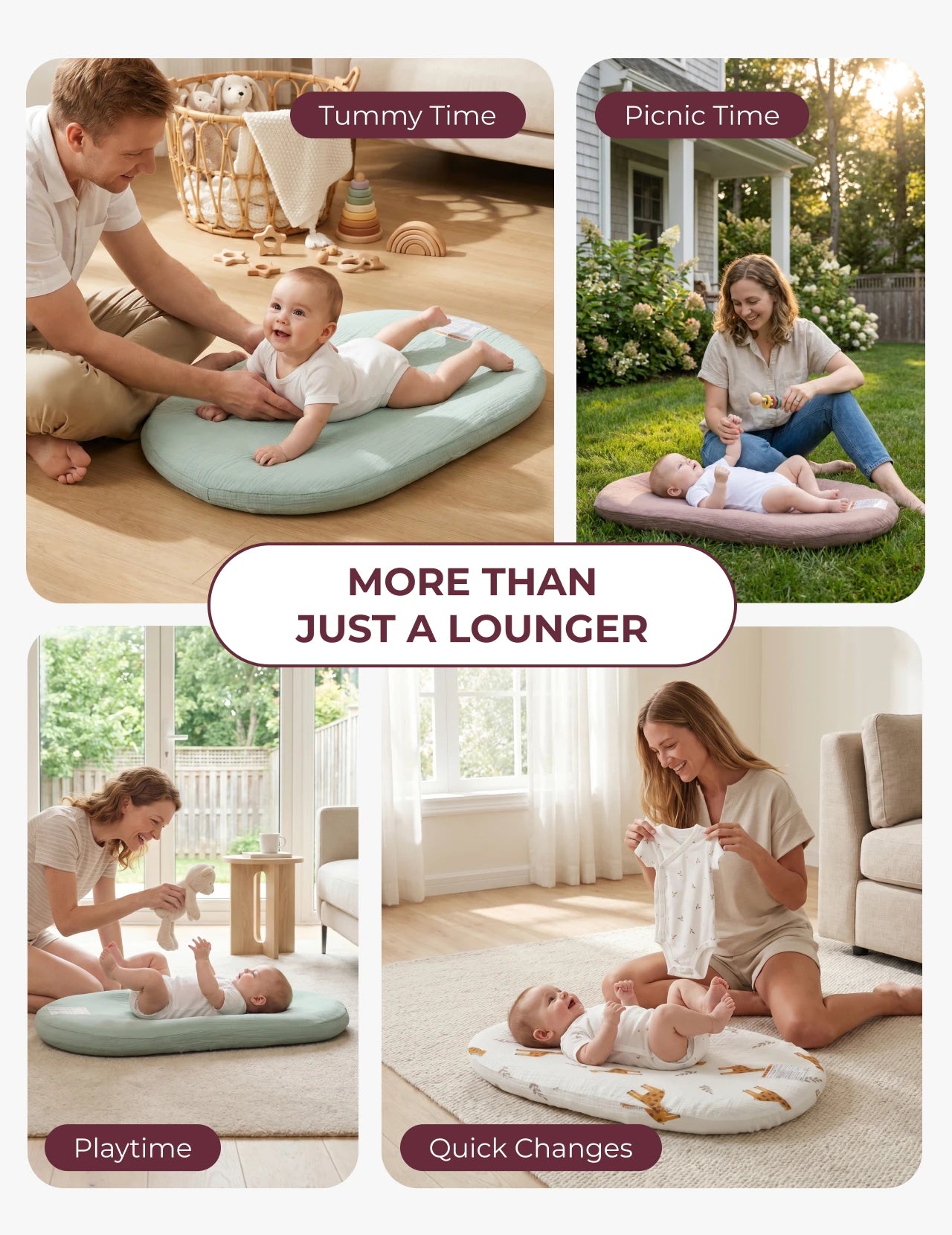
If you're using a changing table, always use the safety strap and never walk away, not even for a second. Keep diaper supplies within arm's reach so you don't need to turn your back. A lot of parents ditch the changing table entirely and just use a changing pad on the floor. It's less convenient but eliminates any fall risk.