
Baby Nap Schedules by Age: How Many Naps and How Long
Nap schedules are one of those things that seem like they should be straightforward but somehow aren't. How many naps, how long, when to drop one? Every baby is different, but there are patterns that hold true for most kids. Here's what to expect.
0 to 3 Months: No Schedule, Just Survival
Newborns don't have a nap schedule. They sleep 14 to 17 hours a day in random chunks. Some naps are 20 minutes, some are 3 hours. There's no pattern and trying to force one will drive you crazy. Follow baby's cues: yawning, rubbing eyes, fussiness means they're tired. Put them down.
**Wake windows:** 45 minutes to 1.5 hours max. That's how long a newborn can stay awake before they need to sleep again. It's shorter than you think.
3 to 5 Months: Three to Four Naps
Baby starts developing more predictable sleep patterns. You'll see 3 to 4 naps forming naturally. Usually a morning nap, a midday nap, and 1 to 2 shorter afternoon naps.
**Wake windows:** 1.5 to 2.5 hours. Gradually extending as baby gets older.
**Nap lengths:** Don't stress about short naps. 30 to 45-minute naps are developmentally normal at this age. Some babies are natural cat nappers and that's fine as long as they're getting enough total sleep (14 to 16 hours including nighttime).
5 to 7 Months: Three Naps
Most babies settle into a 3-nap pattern. Morning nap (1 to 1.5 hours), afternoon nap (1 to 1.5 hours), and a late afternoon catnap (30 to 45 minutes).
**Wake windows:** 2 to 3 hours.
**The third nap gets tricky.** Baby might resist it some days. If they do, move bedtime earlier to compensate. A 6pm bedtime is perfectly fine if the last nap was skipped.
7 to 9 Months: Dropping to Two Naps
The transition from 3 naps to 2 usually happens here. Signs it's time: baby resists the third nap consistently, or the third nap pushes bedtime too late. When you drop the third nap, stretch the wake windows and move bedtime earlier temporarily.
**Wake windows:** 2.5 to 3.5 hours.
**Two naps pattern:** Morning nap around 9 to 9:30am (1 to 1.5 hours), afternoon nap around 1 to 2pm (1 to 2 hours). Bedtime around 7 to 7:30pm.
9 to 14 Months: Solid Two-Nap Schedule
This is usually the most stable nap period. Two predictable naps, consistent lengths, and a reliable bedtime. Enjoy it.
**Wake windows:** 3 to 4 hours.
**Total daytime sleep:** 2 to 3 hours split between two naps.
14 to 18 Months: Dropping to One Nap
The dreaded two-to-one nap transition. This is the hardest nap transition because it significantly changes the daily schedule. Signs baby is ready: consistently fighting one of the two naps, naps getting shorter, or waking earlier in the morning.
**How to transition:** Don't go cold turkey. Gradually push the morning nap later (by 15 minutes every few days) until it's landing around 12 to 12:30pm. This becomes the single nap. Expect an early bedtime during the transition (6 to 6:30pm is common).
**Wake windows:** 5 to 6 hours before the nap, 4 to 5 hours after.
**One nap length:** 1.5 to 3 hours. Most toddlers settle around 2 hours.
18 to 36 Months: One Nap
One nap after lunch, usually 1.5 to 2.5 hours. Bedtime around 7 to 7:30pm. Wake time around 6:30 to 7am. This schedule usually holds until age 3 to 4 when many kids drop the nap entirely.
Nap Environment
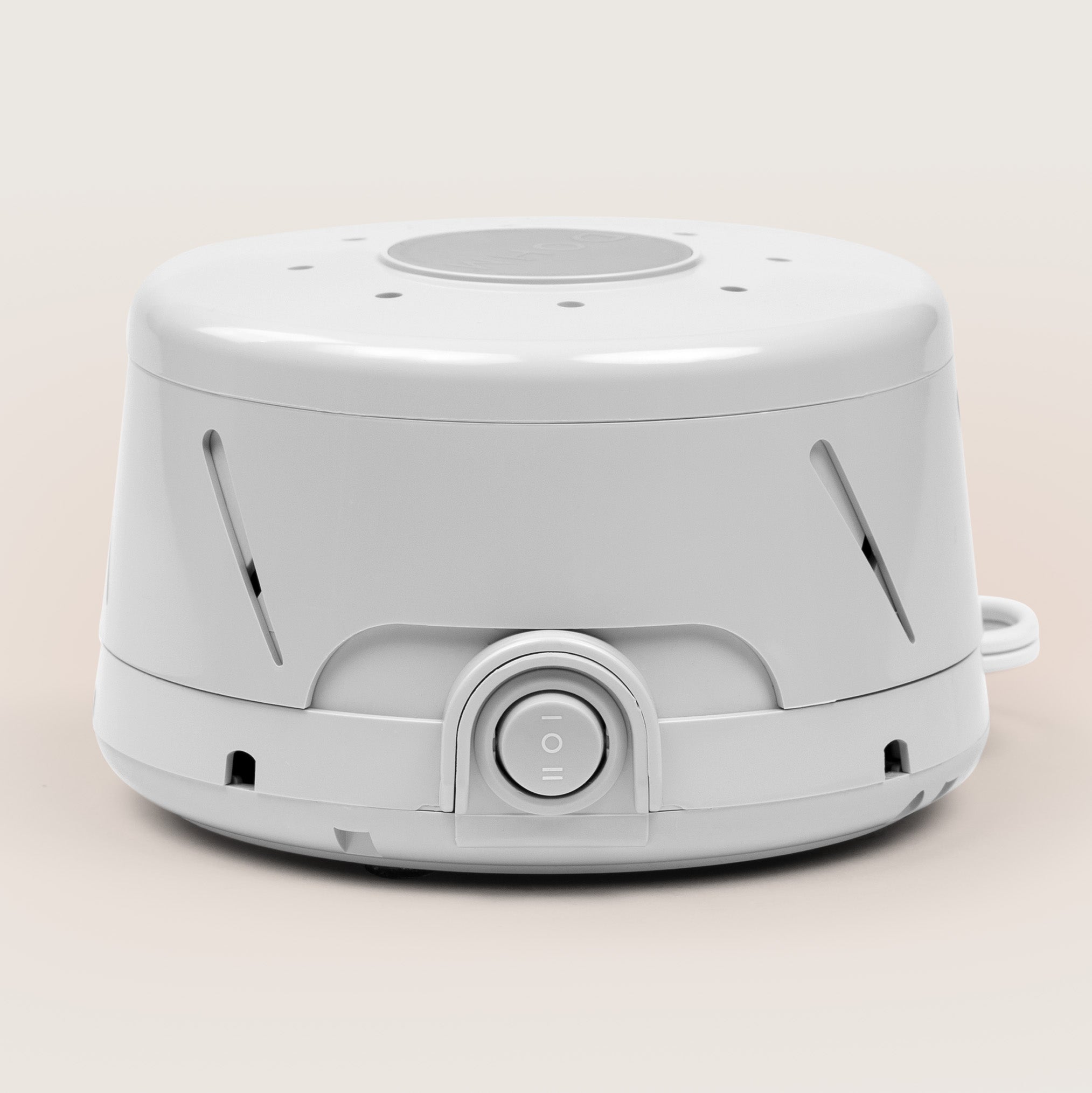
Same rules as nighttime: dark room, white noise, cool temperature. Naps in a well-set-up room are longer and more restorative than naps in the stroller or car seat (though those count too when you're out and about).
When Naps Go Wrong
If baby is consistently fighting naps, waking early from naps, or having trouble with bedtime, the wake windows might need adjusting. Too short a wake window means baby isn't tired enough. Too long means they're overtired, which paradoxically makes it harder to fall asleep. Adjust by 15-minute increments and give each change 3 to 4 days before evaluating.