How to Choose a Stroller: The Honest Breakdown
The stroller market is designed to confuse you. Full-size, lightweight, jogger, double, travel system, frame stroller. Every brand says theirs is the one you need. The truth is, the best stroller depends entirely on how you'll actually use it, and most families end up owning two.
Step 1: How Will You Use It?
Be honest with yourself here. Not what Instagram parents do. What will YOU do?
**Mostly errands and walks in the neighborhood?** You need a standard full-size stroller with a decent basket, one-hand fold, and good wheels. Nothing fancy.
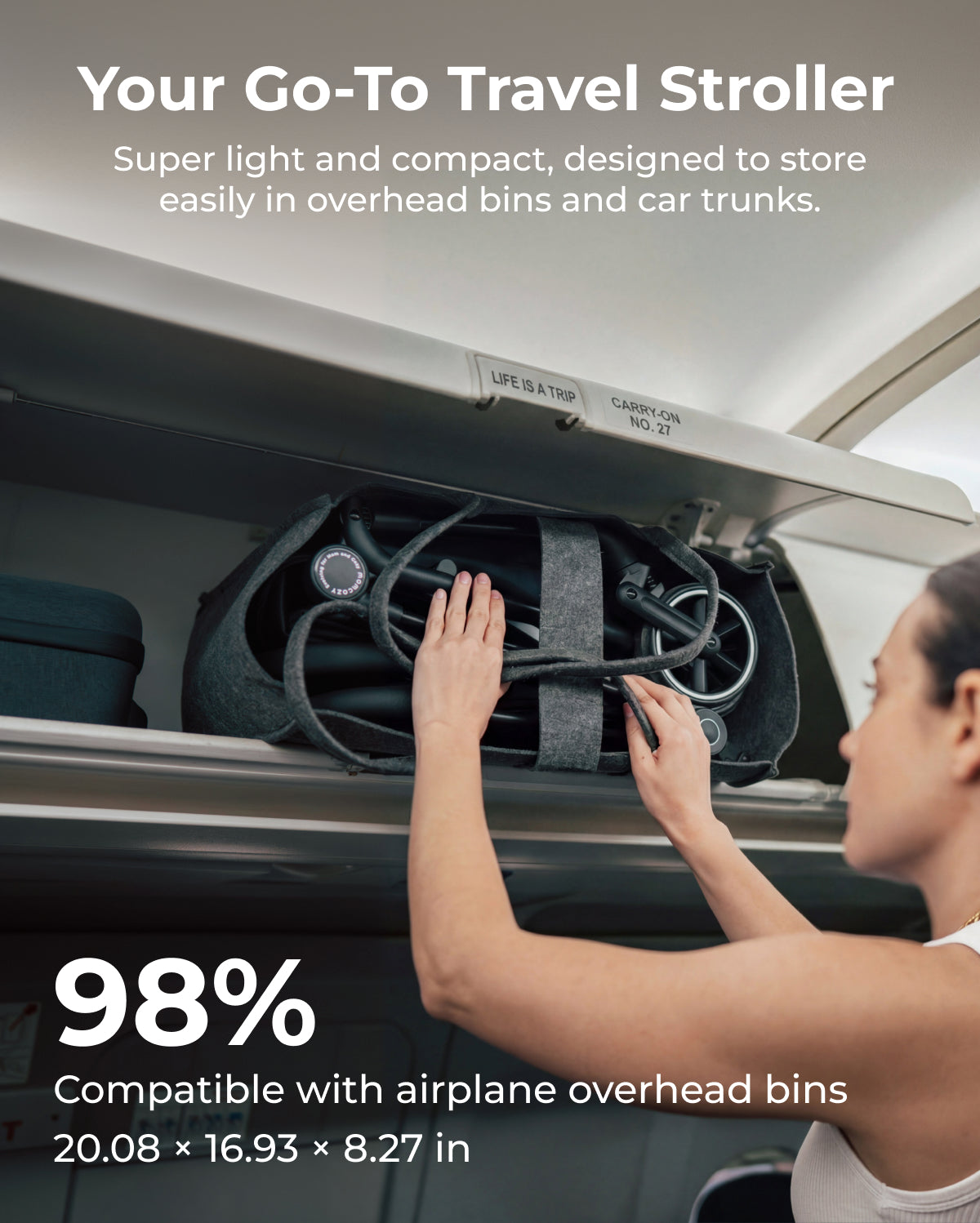
**Lots of public transit or air travel?** You need something lightweight and compact that folds small. The stroller's folded size and weight matter more than anything else.
**Running or trail walking?** You need a jogging stroller with fixed or lockable front wheel, air-filled tires, and a hand brake. Regular strollers can't handle running speeds safely.
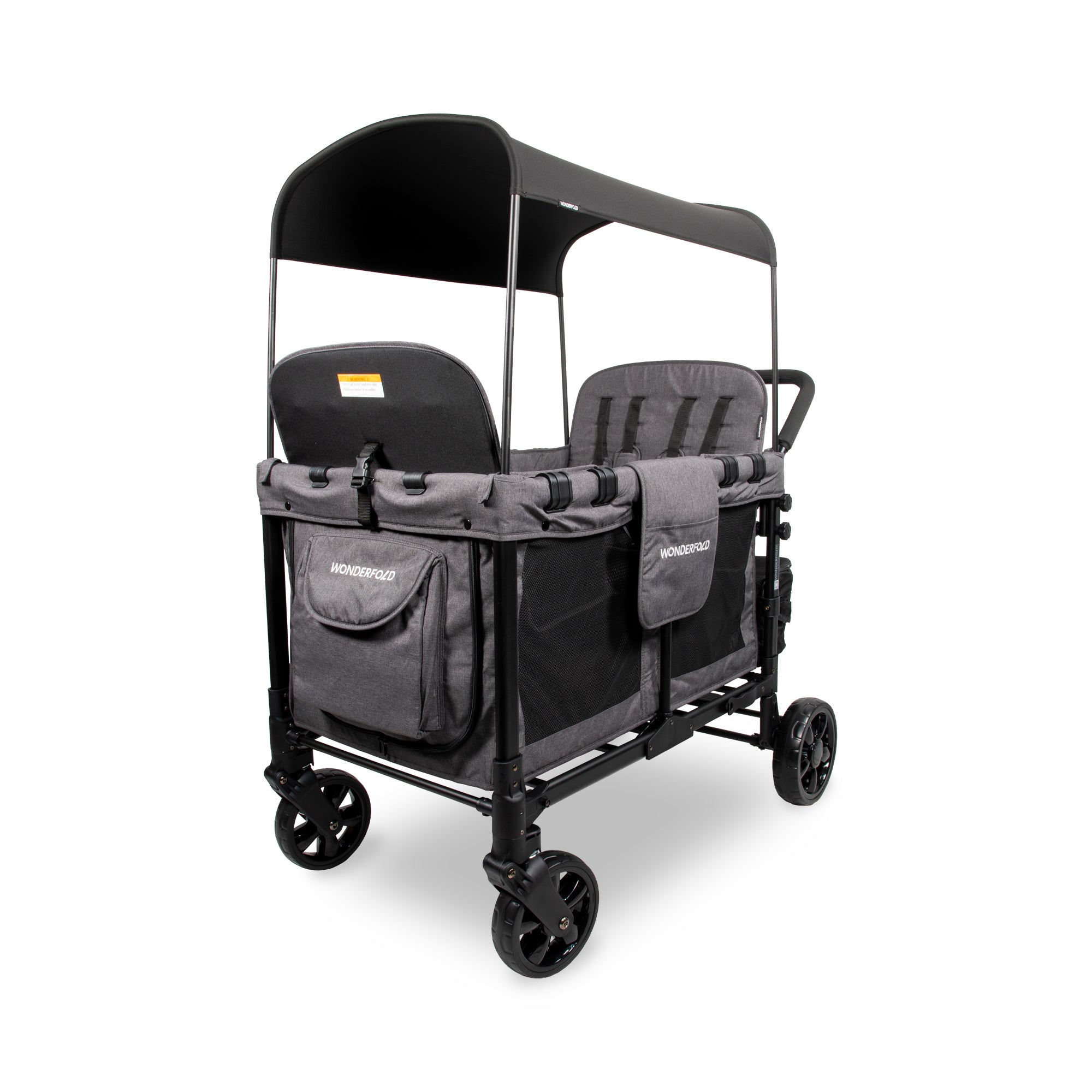
**Two kids close in age?** You need a double stroller (side-by-side or tandem) or a stroller with a ride-along board for the older child.
Step 2: Know Your Dealbreakers
**Car trunk size.** Measure your trunk before shopping. Some full-size strollers won't fit in a sedan trunk. This eliminates options fast and saves you from returning a stroller you love but can't transport.
**Weight.** You will carry this up stairs, in and out of your car, and through narrow doors. A 30-pound stroller is manageable for some people and miserable for others. Try lifting the display model in the store.
**One-hand fold.** You'll be holding a baby when you need to fold this thing. If it takes two hands, a foot pedal, AND a degree in mechanical engineering, skip it.
Step 3: Features Worth Paying For
**Adjustable handlebar.** If you and your partner are different heights, this prevents back pain for the taller person.
**Big canopy.** A canopy that extends far enough to actually block sun from baby's face. Peek-a-boo windows in the canopy let you check on baby without walking around to the front.
**Reversible seat.** Lets baby face you (for bonding and napping) or face outward (for exploring). Not available on all strollers but nice to have.
**Good suspension.** Makes a real difference on uneven sidewalks, gravel, and cobblestone. Your baby feels every bump without it.
Step 4: Features You Can Skip
**Cup holders.** They all break eventually, and a $5 clip-on cup holder works better than the built-in ones.
**Built-in speakers.** Yes, some strollers have Bluetooth speakers. No, you don't need them.
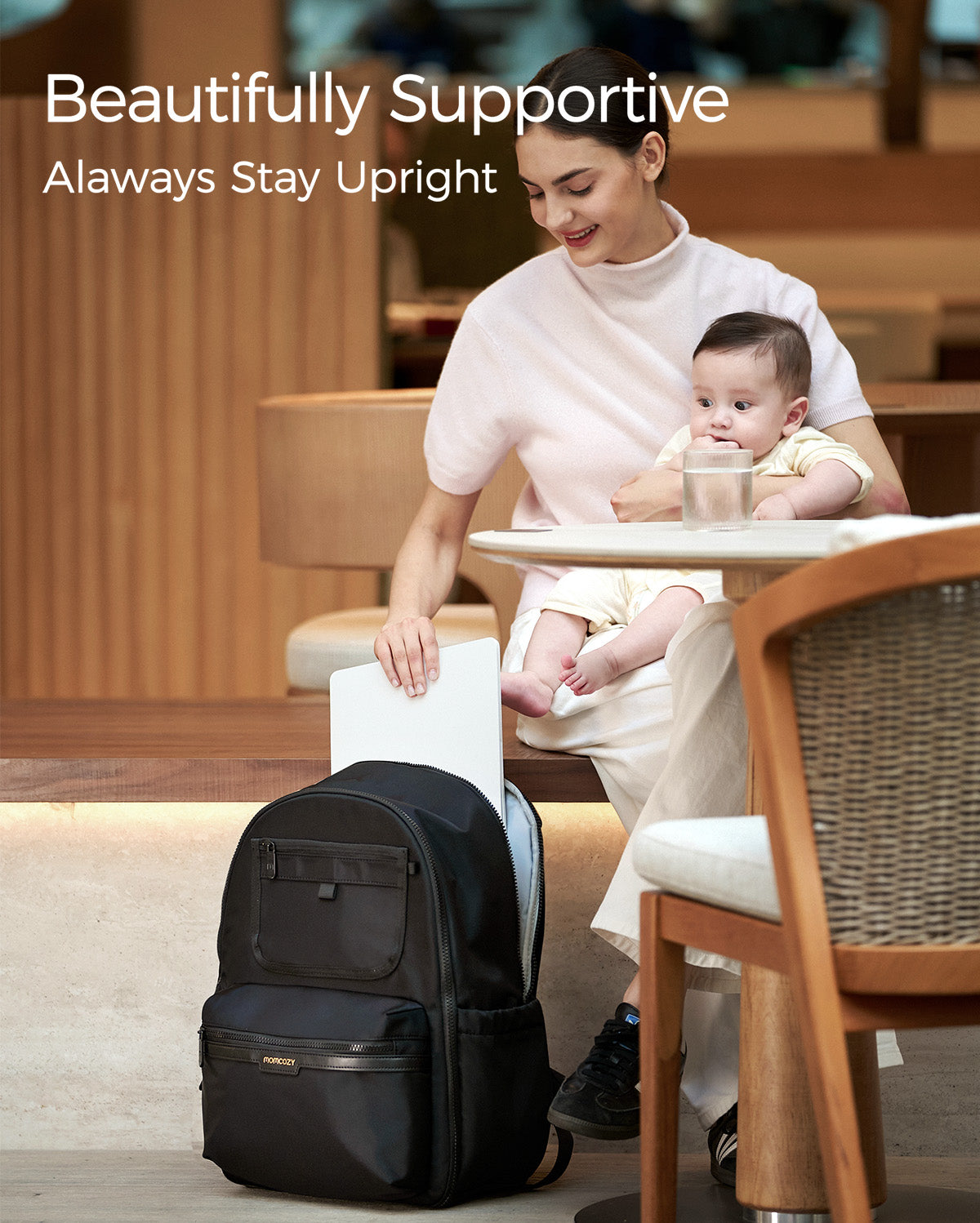
**Matching diaper bags and accessories.** The stroller companies sell these at crazy markups. Any bag works.
The Two-Stroller Strategy
Most families end up with a full-size stroller for everyday use and a compact/umbrella stroller for travel and quick outings. Trying to find one stroller that does everything perfectly is like trying to find one shoe for all occasions. It doesn't exist.
Buy the full-size stroller first (you'll use it from birth) and add a lightweight umbrella stroller around 6 months when baby can sit up and you start traveling more. The umbrella stroller costs $30 to $80 and lives in the car for spontaneous outings.
Try Before You Buy
Push it around the store with weight in the seat (use a bag of dog food if you have to). Fold and unfold it yourself, multiple times. Check the basket access when the seat is reclined. And look up stroller reviews from parents who've used it for 6+ months, not just first impressions.