First Aid Kit for Babies: What Goes In It
You will need a first aid kit. Not because something terrible is going to happen, but because babies get fevers at midnight on holidays, bump their heads learning to crawl, and develop mystery rashes at the most inconvenient times. Having the right stuff on hand means you don't have to make a panicked pharmacy run at 11pm.
The Non-Negotiables
**Infant acetaminophen (Tylenol)** and **infant ibuprofen (Motrin).** Acetaminophen from 2 months, ibuprofen from 6 months. Check dosing with your pediatrician at every well visit and write it down. Tape the dosing chart inside your medicine cabinet. You will not remember the correct dose at 3am with a screaming baby. You just won't.
**A rectal thermometer.** Yes, rectal. For babies under 3 months, it's the only accurate method. The Frida Baby Quick-Read thermometer takes about 10 seconds and gives you a reliable number. Forehead and ear thermometers are fine for older babies but not reliable enough for newborns.
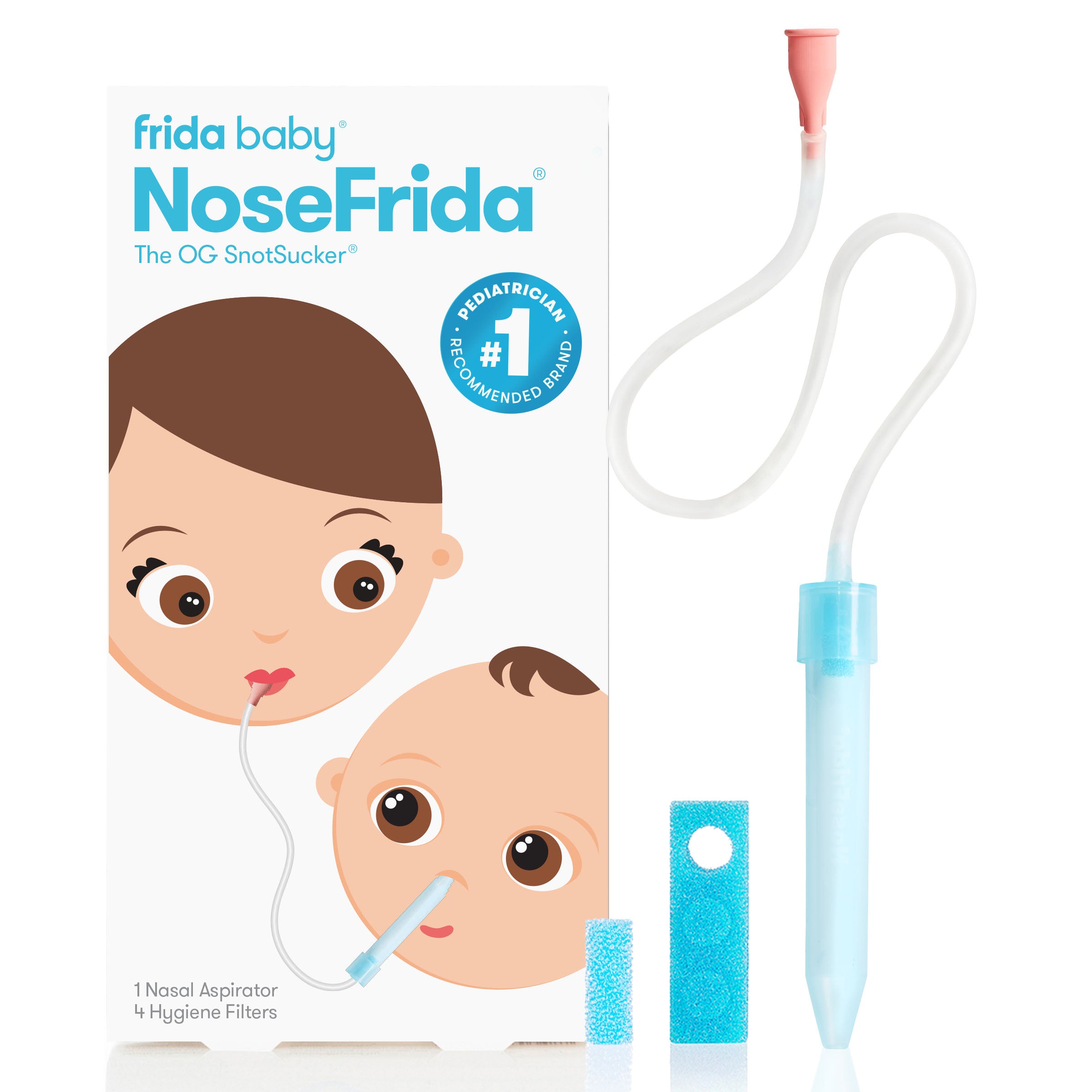
**Saline drops and a nasal aspirator.** The NoseFrida is disgusting in concept and absolutely essential in practice. Babies can't blow their own noses and they breathe primarily through their nose. When they're congested, saline drops plus suction is the only real solution. The bulb syringes hospitals give you work fine too.
Skin and Wound Care
**Petroleum jelly** for diaper rash prevention and dry patches. **Aquaphor** works great as an all-purpose barrier cream. A tube of **1% hydrocortisone cream** for eczema flare-ups (check with your pediatrician before using on babies under 2). **Antibiotic ointment** (Neosporin or Bacitracin) for minor cuts and scrapes once baby starts crawling and bumping into things.
Band-aids in various sizes, gauze pads, medical tape, and a pair of baby nail clippers round out the basics.
Nice to Have
**Gas drops (simethicone).** They're safe from birth and sometimes help with the gassy, fussy evenings that hit around 4 to 8 weeks. **Gripe water** is popular though the evidence is mixed. **Teething gel** that's benzocaine-free, like Boiron Camilia drops. A small **LED flashlight** for checking throats and ears.
**A medicine syringe** (not a spoon, a syringe) for giving liquid meds. The ones that come with the medicine bottle work, or your pharmacist will give you one for free.
What to Leave Out
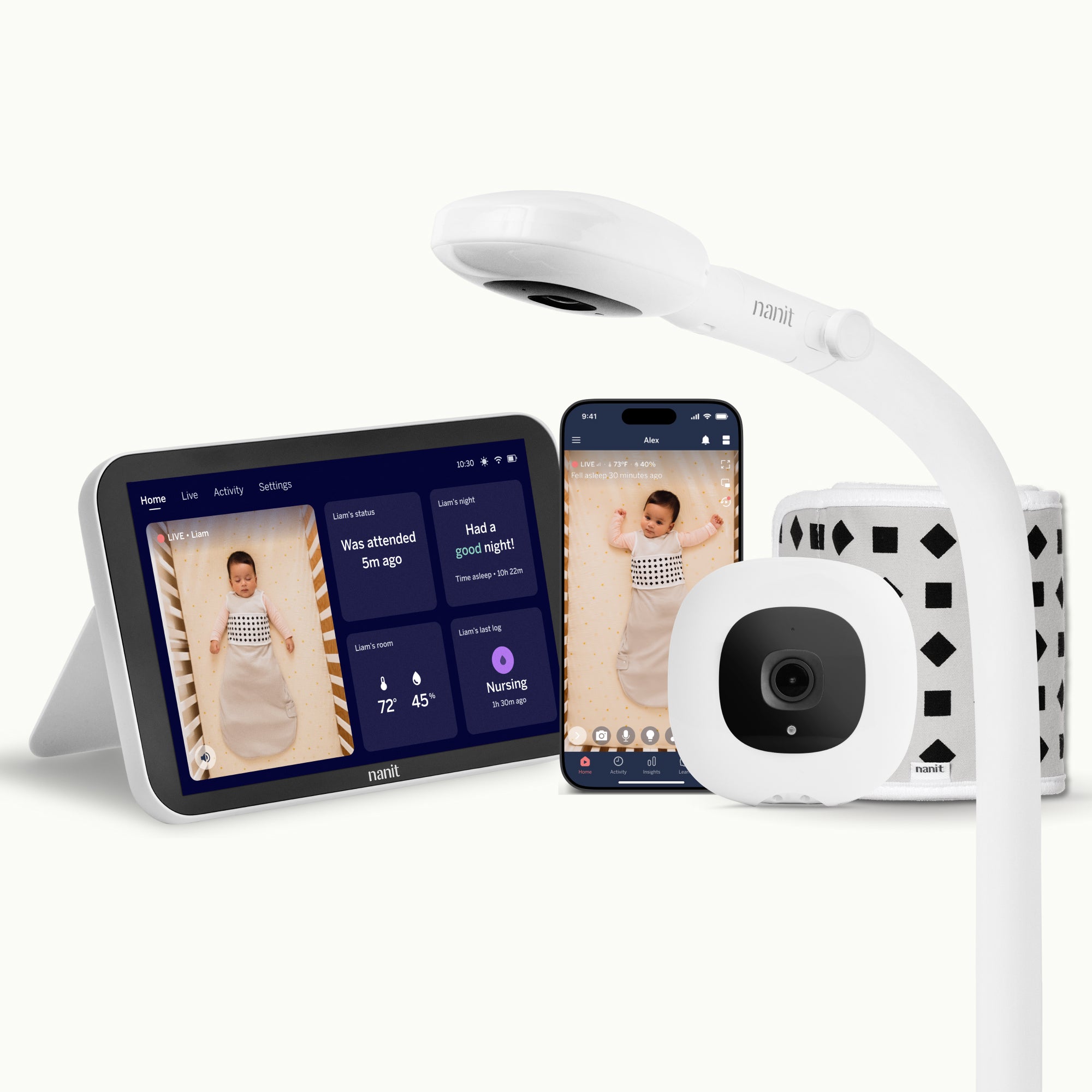
Skip the thermometer that connects to your phone (overkill), homeopathic teething tablets (the FDA has warned about these), and anything labeled "natural remedy for colic" without actual clinical evidence. Stick with what your pediatrician recommends.
Keep It Together
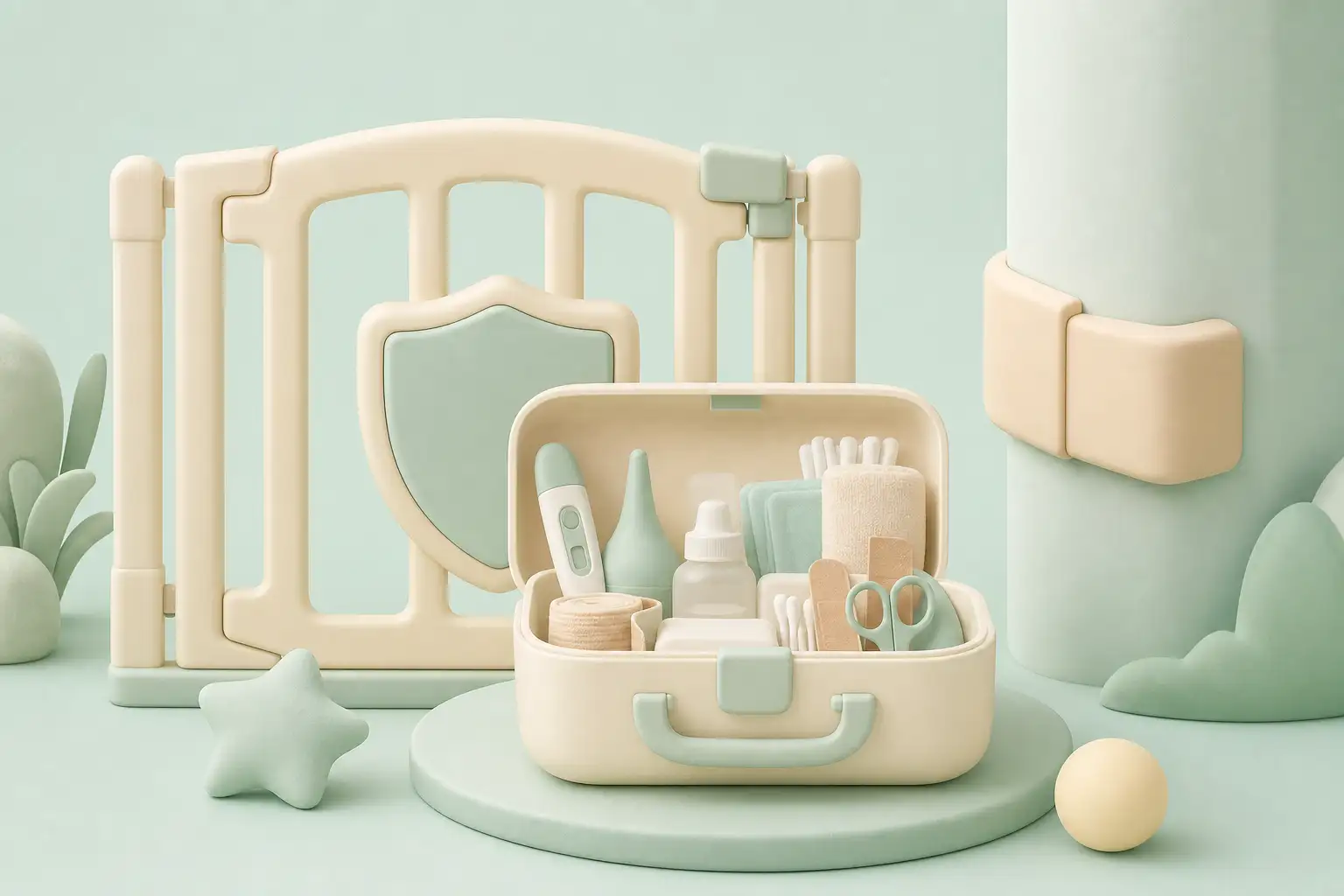
A small zippered pouch or plastic container in the bathroom works perfectly. Check expiration dates every 6 months. Update dosing info at every pediatrician visit. Keep your pediatrician's after-hours number taped to the inside of the kit.