
Diaper Rash: Prevention, Treatment, and When to Worry
Diaper rash happens to basically every baby at some point. That red, irritated skin on baby's bottom looks awful and clearly uncomfortable, but it's usually easy to treat at home. The key is catching it early and treating it aggressively before it gets worse.
Prevention First
**Change diapers frequently.** A wet or dirty diaper sitting against skin is the number one cause of diaper rash. Change every 2 to 3 hours during the day and as soon as possible after a poop. Yes, this means a lot of diapers. About 10 to 12 per day for newborns.
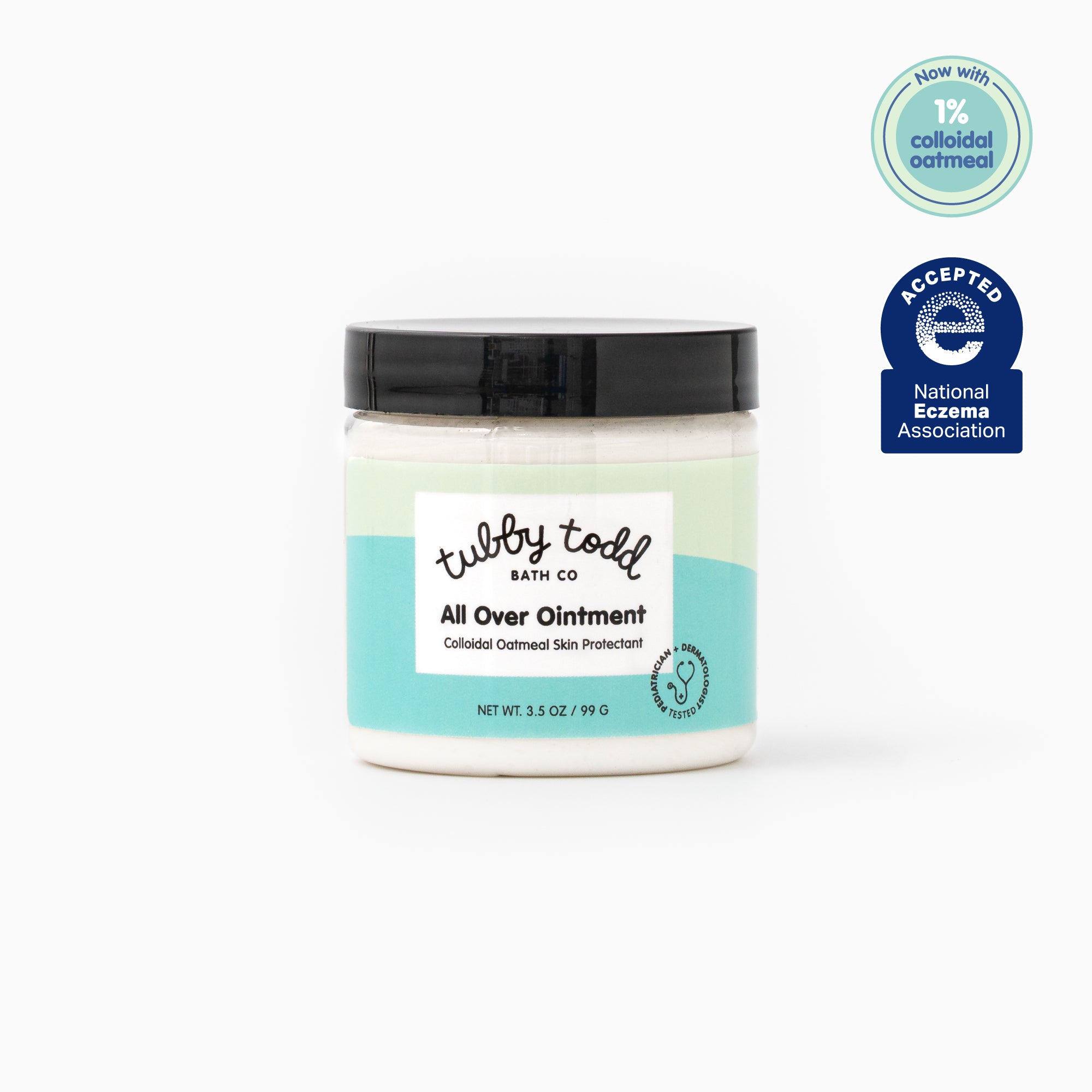
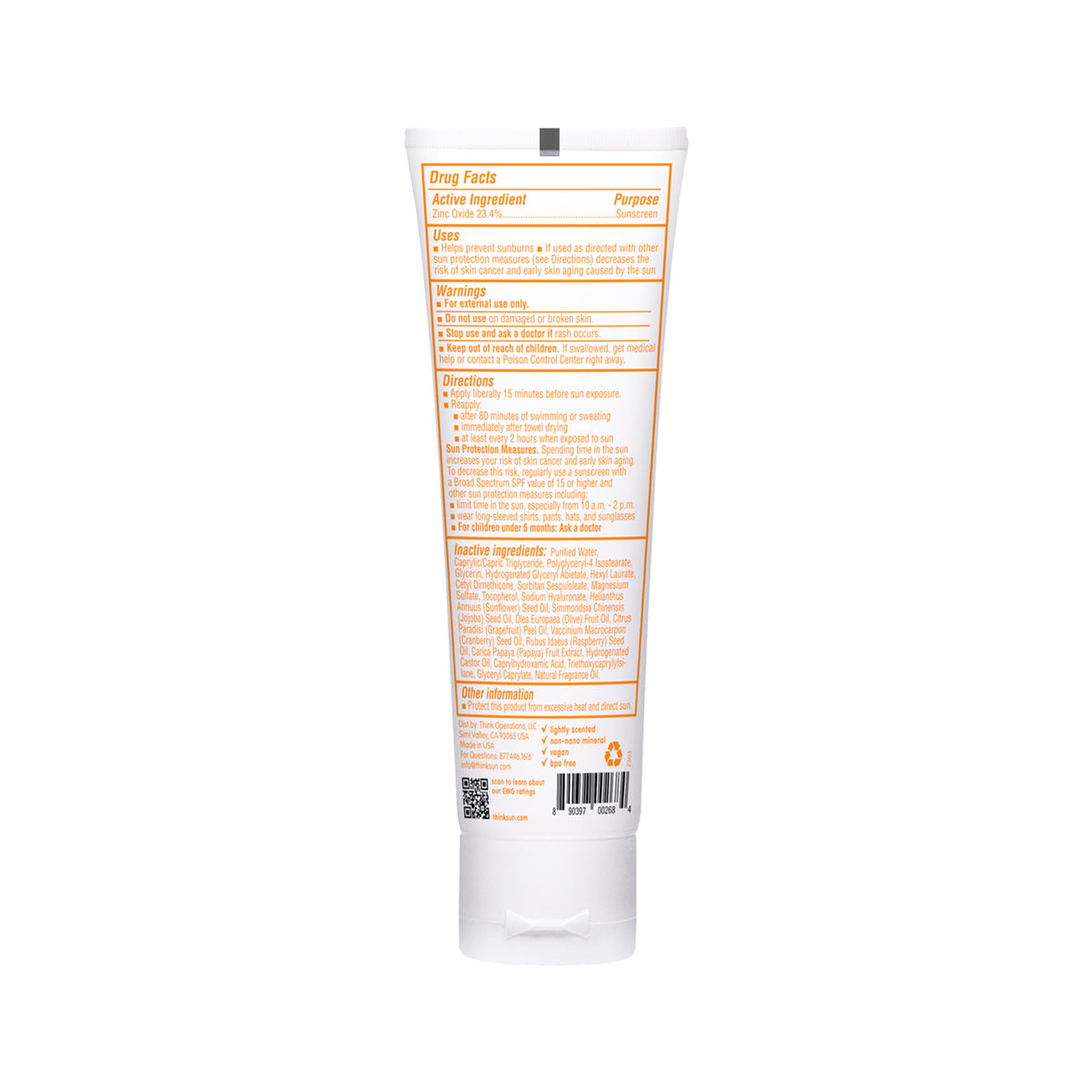
**Barrier cream at every change.** A thin layer of zinc oxide cream (Desitin, A+D, or Boudreaux's Butt Paste) at every diaper change creates a barrier between baby's skin and moisture. You don't need to glob it on. A thin, visible layer is enough. Think of it like chapstick for their butt.
**Pat, don't wipe.** When cleaning during diaper changes, pat gently instead of rubbing. Rubbing irritates already sensitive skin. For mild rash, skip the wipes entirely and use water with a soft cloth or cotton balls.
**Air time.** Let baby go diaper-free on a waterproof mat for 10 to 15 minutes a few times a day. Air drying is genuinely one of the most effective prevention and treatment strategies. Is there pee risk? Yes. Is it worth it? Also yes.
Treatment When Rash Appears
When you see redness starting, go aggressive immediately:
**Thick layer of zinc oxide cream.** More than your prevention layer. Cover the red area completely. Don't wipe it all off at the next change. Just clean the dirty diaper area and add more cream on top. The point is to maintain that protective barrier.
**Maximum air time.** As much diaper-free time as you can manage.
**Warm water rinses instead of wipes.** Wipe chemicals can sting and further irritate raw skin. Use a squeeze bottle with warm water to rinse the area, then pat dry very gently.
**Size up the diaper.** A too-tight diaper traps moisture and creates friction. If baby is between sizes, go up. A slightly loose diaper is better than a snug one when dealing with rash.
When It's Yeast
If the rash is bright red, has defined borders, and has small satellite spots around the edges, it might be a yeast infection (candida). This is common, especially after antibiotics or in skin folds. Regular diaper cream won't fix a yeast rash. You need an antifungal cream like clotrimazole (Lotrimin) or miconazole (Monistat). Apply the antifungal first, then barrier cream on top. If it doesn't improve in 2 to 3 days, call your pediatrician.
When to Call the Doctor
Contact your pediatrician if the rash doesn't improve after 3 days of home treatment, if there are blisters, open sores, or bleeding, if baby has a fever along with the rash, if the rash spreads beyond the diaper area, or if baby seems to be in significant pain. Some rashes need prescription-strength treatment that over-the-counter creams can't handle.
Product Picks
**Best everyday barrier cream:** Aquaphor Baby Diaper Rash Cream. Good zinc oxide concentration, easy to spread, not crazy thick.
**Best heavy-duty treatment:** Boudreaux's Butt Paste Maximum Strength (40% zinc oxide). When rash is already established, this is the heavy hitter. It's thick and pasty and it works.
**Best for sensitive skin:** Earth Mama Organic Diaper Balm. No zinc oxide (uses herbs and oils instead), which some parents prefer for daily use. It smells nice and applies smoothly. Works well for prevention but switch to zinc oxide for active rash.