Choosing Baby Pajamas: Fabrics, Fit, and Safety
You'd think baby pajamas would be straightforward. They're tiny clothes for sleeping. But then you start reading about flame-resistance regulations, snug-fit vs. loose-fit, cotton vs. bamboo, TOG ratings, and suddenly you're standing in the baby aisle having an existential crisis over a onesie. Let's simplify this.
The Flame Resistance Thing
Here's the deal. The CPSC requires children's sleepwear (sizes 9 months to 14 years) to be either flame-resistant OR snug-fitting. That's why baby pajamas fit tight. Snug-fitting sleepwear is less likely to catch fire because there's less fabric to ignite and less air between the fabric and skin.
This means you have two options: snug-fit cotton/bamboo pajamas (no chemical treatment) or loose-fit pajamas treated with flame-resistant chemicals. Most parents prefer snug-fit because they'd rather skip the chemicals. Both are safe choices, it's really a personal preference.
For babies under 9 months, these regulations don't apply, so infant sleepwear can be loose-fitting without flame-resistant treatment.
Best Fabrics
**Cotton** is the classic choice. Breathable, affordable, easy to wash, and it gets softer with every wash cycle. Organic cotton is a bit softer initially. Regular cotton is fine. Don't let anyone tell you organic cotton is somehow "safer" for babies. Both are perfectly safe.
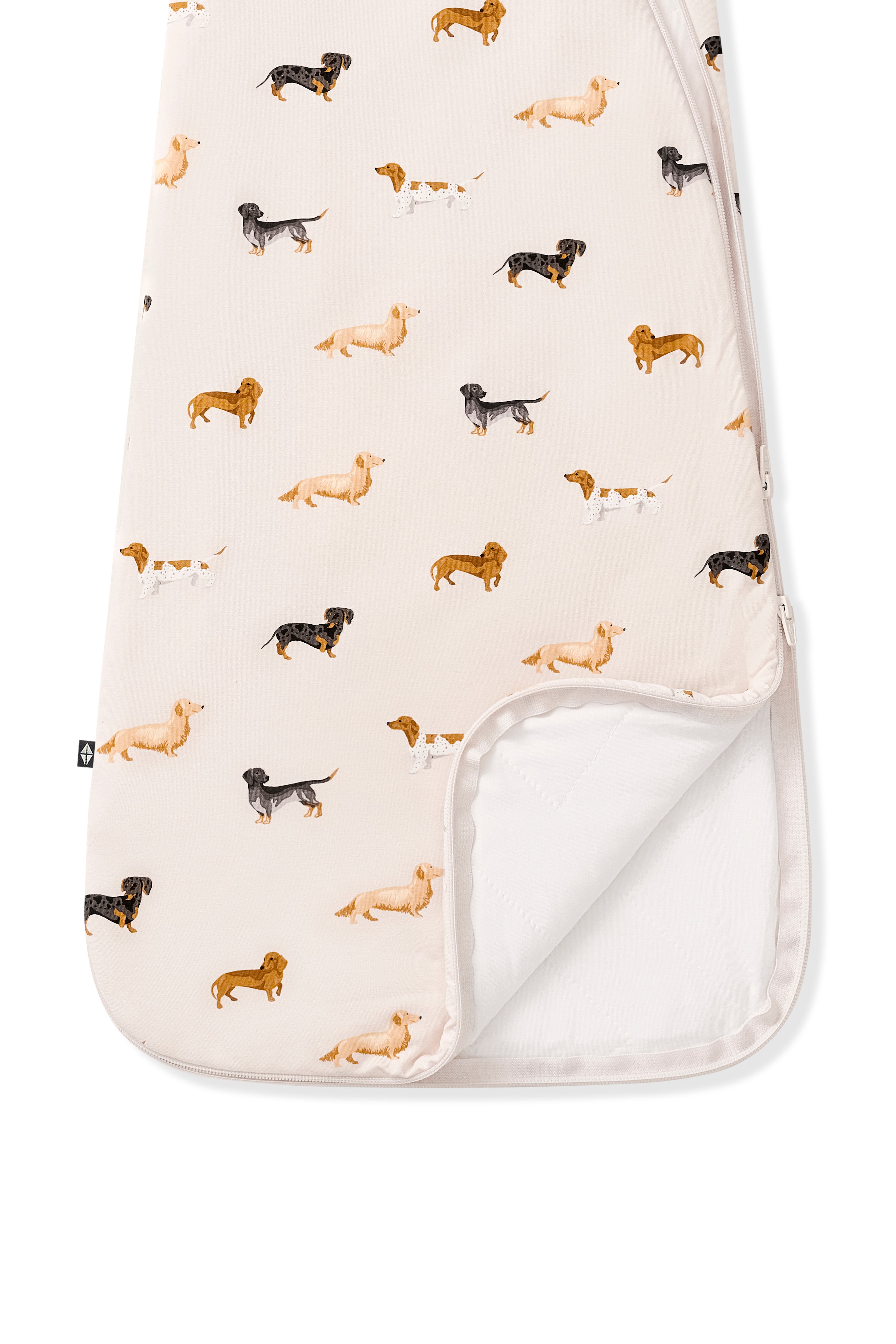
**Bamboo viscose** is incredibly soft, naturally moisture-wicking, and temperature-regulating. It stays cooler than cotton in summer and warmer in winter. Kyte Baby and Little Sleepies are the two most popular bamboo pajama brands. They're $25 to $35 per pair, which is steep for something they'll outgrow in 3 months, but the softness is noticeable.
**Merino wool** is the premium option for temperature regulation. Wool naturally adjusts to body temperature, wicks moisture, and is naturally flame-resistant. Woolino makes merino sleep clothes. They're expensive ($40+) but they genuinely perform differently than cotton or bamboo.
Zippers vs. Snaps
**Zippers win.** At 3am, snapping 47 tiny snaps on a squirming baby while you're half asleep is miserable. A zipper takes 2 seconds. Two-way zippers (bottom-opening) are even better because you can unzip from the feet for diaper changes without undressing baby.
**Magnetic closures** (like Magnetic Me) are the luxury option. They snap together magnetically and are even faster than zippers. They're $30+ per sleeper, so this is a "nice gift" item, not a "buy 8 of them" item.
Footie vs. Footless
**Footie pajamas** keep socks from coming off and keep feet warm. Great for babies who don't walk yet. Look for non-slip grip dots on the soles for cruising babies.
**Footless pajamas** are better once baby is walking because the grip dots wear off and footie pajamas can be slippery on hard floors. Footless also last longer because you don't outgrow them as fast, baby just becomes a capri-pant wearer.
How Many Pajamas Do You Need?
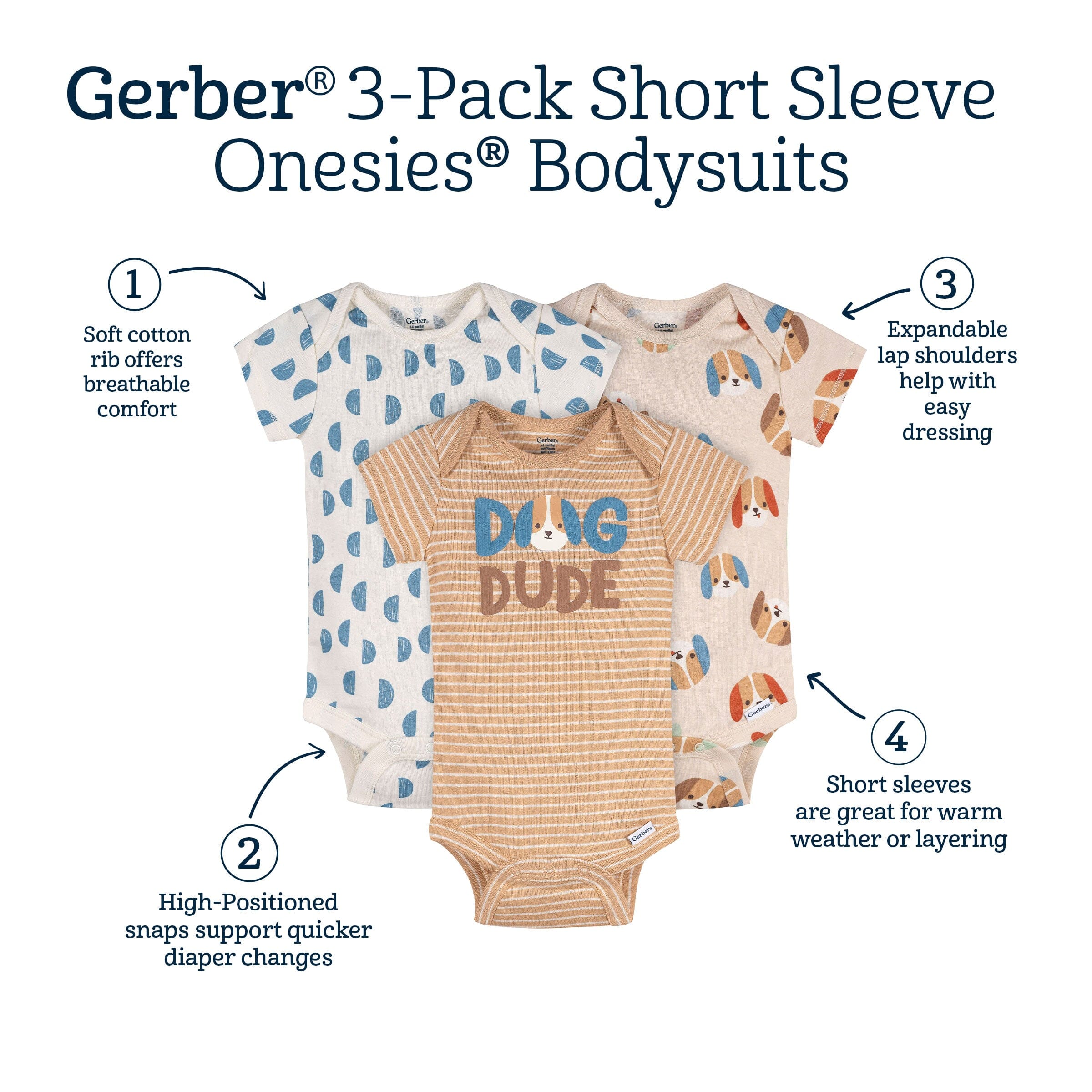
5 to 7 pairs per size. Baby wears pajamas for 10+ hours a day (sleep plus lounging), and between spit-up, diaper leaks, and drool, you'll go through them. Having a week's worth means you're not doing laundry every other day out of pajama desperation.
Sleep Sack vs. Pajamas
For newborns through about 12 months, most babies wear pajamas inside a sleep sack. The pajamas are the base layer and the sleep sack replaces the blanket. So you're buying both. By 12 to 18 months, many families transition out of sleep sacks and just use pajamas with a toddler blanket.
Our Picks
**Best budget:** Carter's zip-up cotton footies ($6 to $8 each, or multi-packs for less). They wash well, the zippers are reliable, and they come in every pattern imaginable.
**Best bamboo:** Kyte Baby ($30 to $35). The softest pajamas we've felt. The zipper is smooth, the fit is consistent, and the bamboo regulates temperature well.
**Best for chunky babies:** Little Sleepies ($25 to $30). The stretchy bamboo fabric accommodates diaper bulk and chubby thighs better than more structured brands.