Breastfeeding Essentials: What You Actually Need to Start
Breastfeeding is described as "natural" which makes it sound easy. It's not. It's a skill that both you and your baby are learning at the same time, often on zero sleep, with sore nipples and a baby who won't latch. The right gear won't solve every problem, but it can make the learning curve less painful.
The Nursing Pillow
You'll be feeding 8 to 12 times a day in the early weeks. A nursing pillow keeps baby at the right height without your arms doing all the work.
**My Brest Friend ($35)** clips around your waist and stays in place. It has a flat, firm surface that keeps baby at a consistent height. Most lactation consultants prefer it over the Boppy for actual nursing because the flat surface provides better support.
**Boppy ($30)** is the more well-known option. It's shaped like a C and sits on your lap. It's softer and more versatile (doubles as a tummy time support), but it can shift around during feeds and baby can slide into the gap.
Nipple Cream
Your nipples will be sore. Possibly cracked. Possibly bleeding. This is common in the first 2 weeks as baby's latch improves and your skin toughens up.
**Lansinoh Lanolin ($8)** is the classic. Thick, sticky, and it creates a moisture barrier that protects cracked nipples between feeds. Safe for baby, no need to wipe off before nursing.
**Silverette Nursing Cups ($65)** are sterling silver cups that fit over your nipples between feeds. The silver has antimicrobial properties and the cups prevent friction from clothing. They sound weird but the reviews from breastfeeding moms are overwhelmingly positive. Expensive, but many moms say they're worth it.
Breast Pump
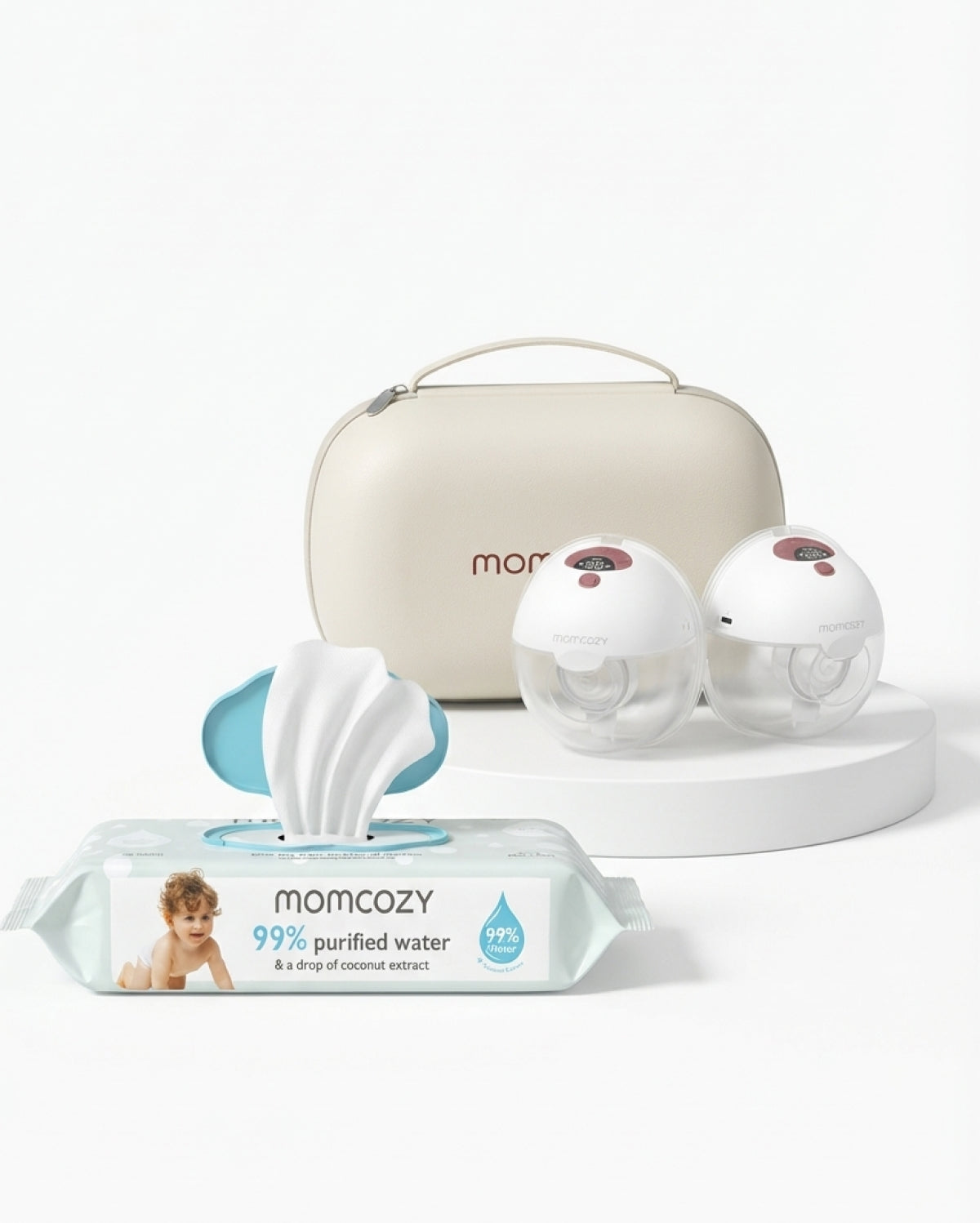
Your insurance covers a breast pump (thanks to the ACA). Contact your insurance company or go through a service like Aeroflow that handles the paperwork. You'll usually have a few options to choose from.
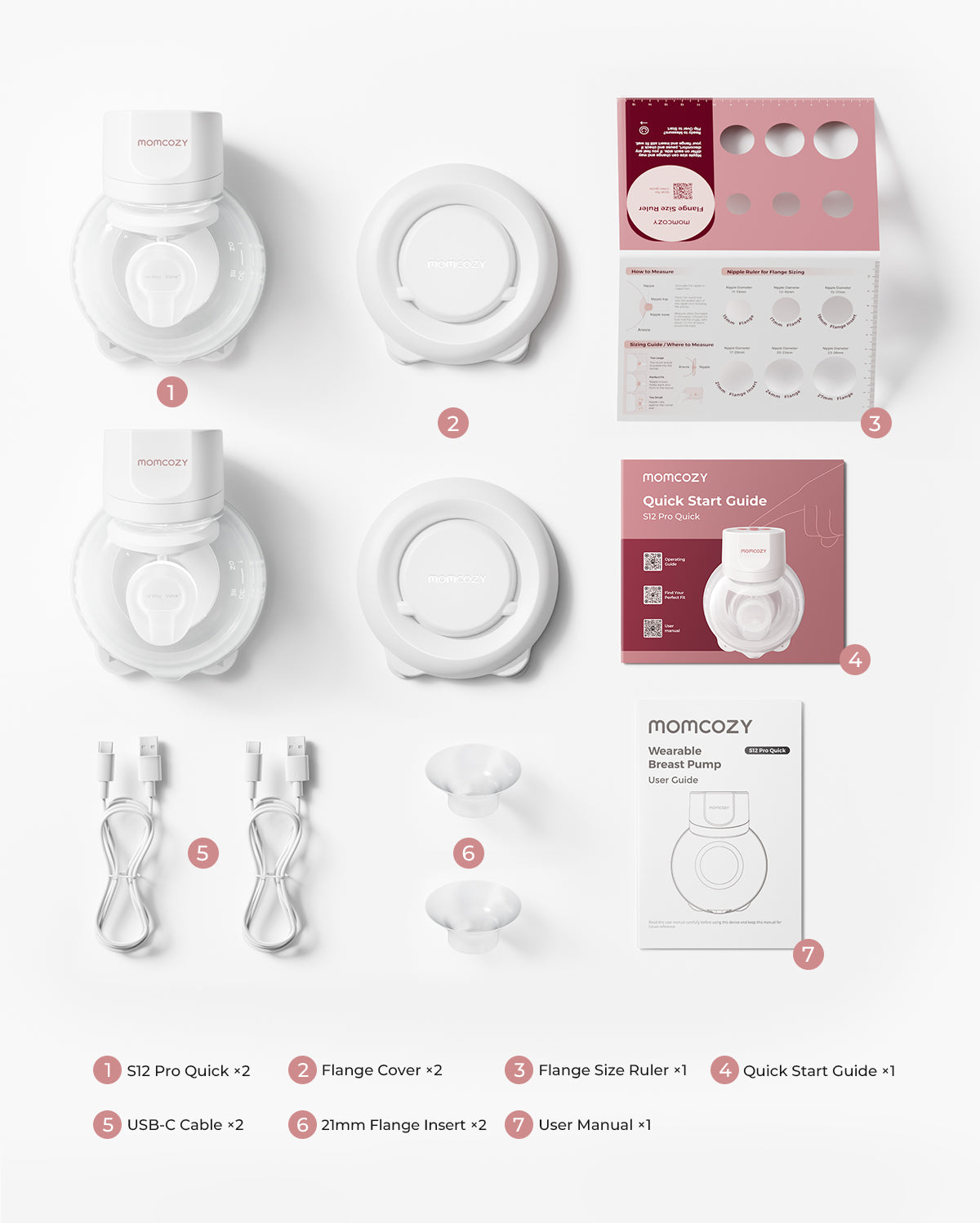
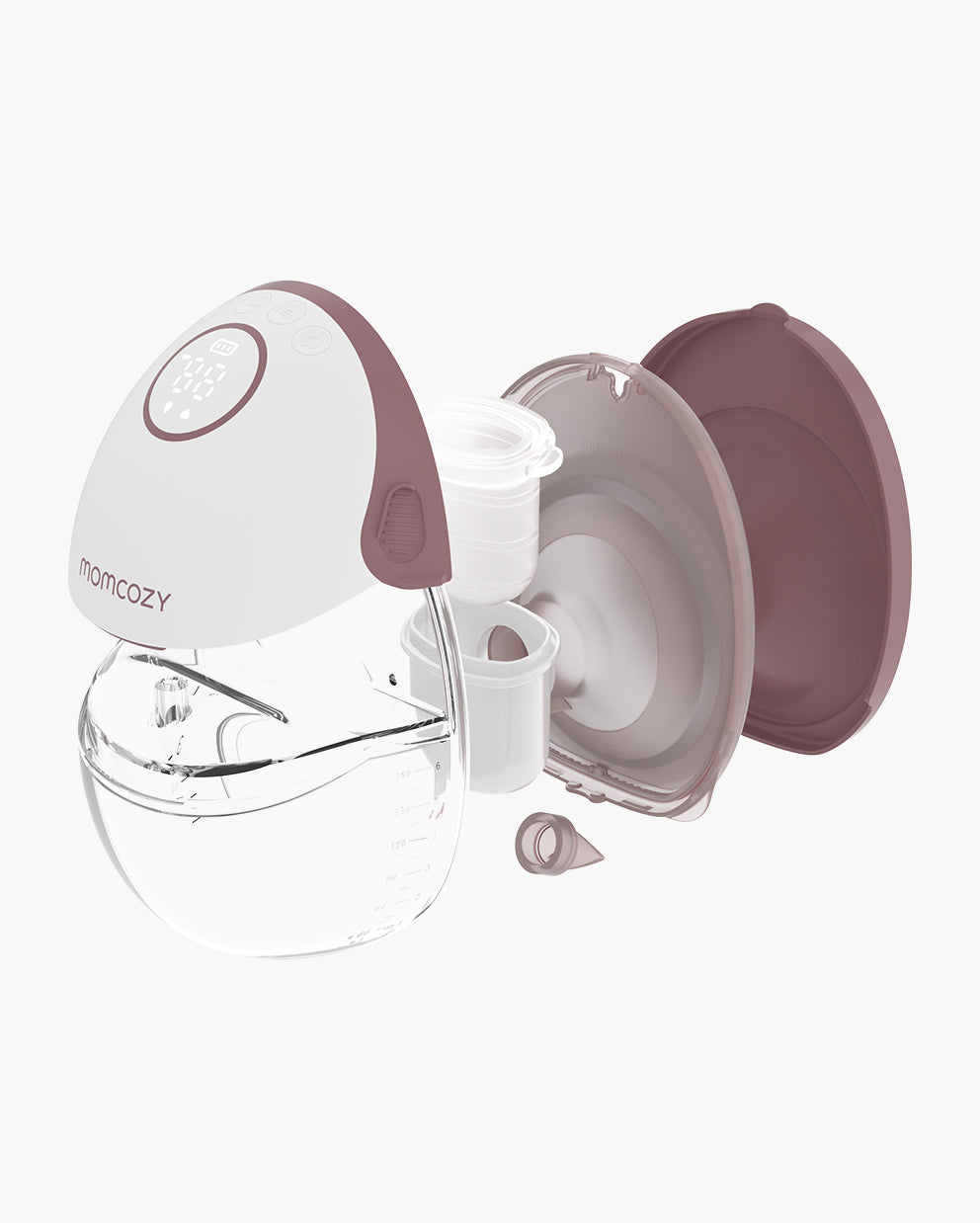
**Spectra S1 ($200, often free through insurance)** is the most popular double electric pump. It's portable (has a rechargeable battery), quiet, and has adjustable suction settings. The closed system is more hygienic than open-system pumps.
**Medela Pump in Style ($150 to $200, often free through insurance)** is the classic workhorse. Reliable, widely available replacement parts, and most workplaces' mother's rooms have Medela adapters.
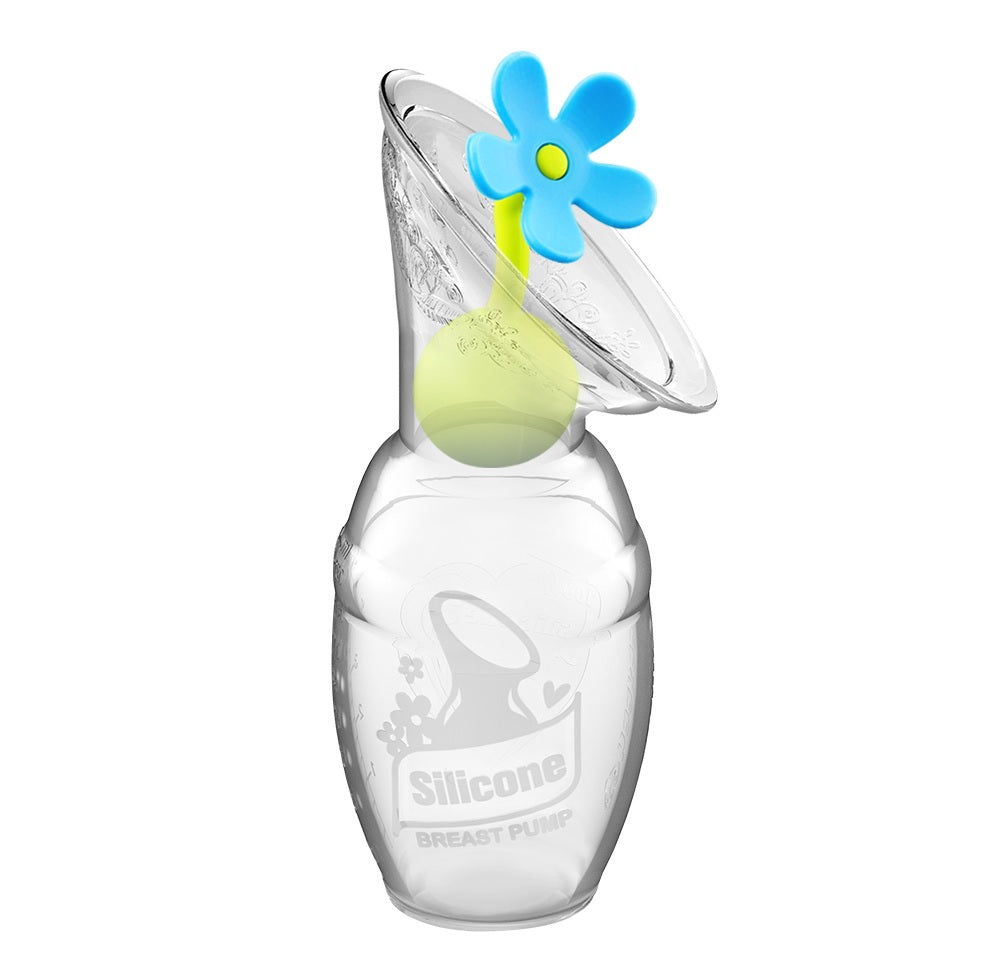
**Haakaa Silicone Pump ($13)** isn't really a pump. It's a silicone cup that suctions onto the breast you're not feeding from to catch letdown milk. It's passive (no batteries, no suction settings) and it's surprisingly effective. Many moms collect 1 to 3 oz per feeding this way with zero effort. Buy this even if you don't plan to pump actively.
Nursing Bras
You need bras that you can open one-handed while holding a baby. Clip-down nursing bras are standard. Buy 3 to 4 to start and adjust after your milk supply stabilizes (your size will change in the first few weeks).
**Kindred Bravely French Terry Bra ($35)** is the most popular nursing bra online. Soft, wireless, supportive enough for everyday wear, and the clip-down is easy to operate one-handed.
For overnight, a soft sleep bra with nursing pads holds breast pads in place and provides light support for engorgement.
Nursing Pads
Your breasts will leak. Sometimes at inconvenient moments (the grocery store, a work meeting, 3am). Nursing pads absorb the leaks.
**Disposable:** Lansinoh Stay Dry pads are thin and absorbent. Buy a big box.
**Reusable:** Bamboobies washable pads ($14 for 4 pairs) are softer, more eco-friendly, and save money long-term.
What You Don't Need Yet
A hands-free pumping bra (wait to see if you pump regularly). A nursing cover (a muslin blanket works). A bottle sterilizer (hot soapy water works). And definitely don't buy formula "just in case" before baby arrives, because having it in the house when you're exhausted and breastfeeding is hard can undermine your commitment before you've given breastfeeding a fair chance. If you end up needing formula, you can get it anytime.
The Most Important Thing
See a lactation consultant. Many hospitals offer free visits in the first week. If breastfeeding hurts beyond the first few days, if baby isn't gaining weight, or if you're struggling, a lactation consultant can usually identify and fix the problem in one visit. Insurance often covers these visits. Don't suffer in silence.