Bottle Feeding for Beginners: Bottles, Formula, and Sanity
Whether you're exclusively formula feeding, combo feeding, or pumping and bottle feeding breast milk, you're going to spend a lot of time with bottles. Like, a shocking amount of time. Washing, filling, warming, feeding, washing again. Here's how to make it less painful.
Choosing Bottles
The honest truth is that no one can tell you which bottle your baby will like. Some babies take any bottle. Some babies reject everything except one specific brand and nipple shape. You won't know until you try.
That said, start with one of these and adjust from there:
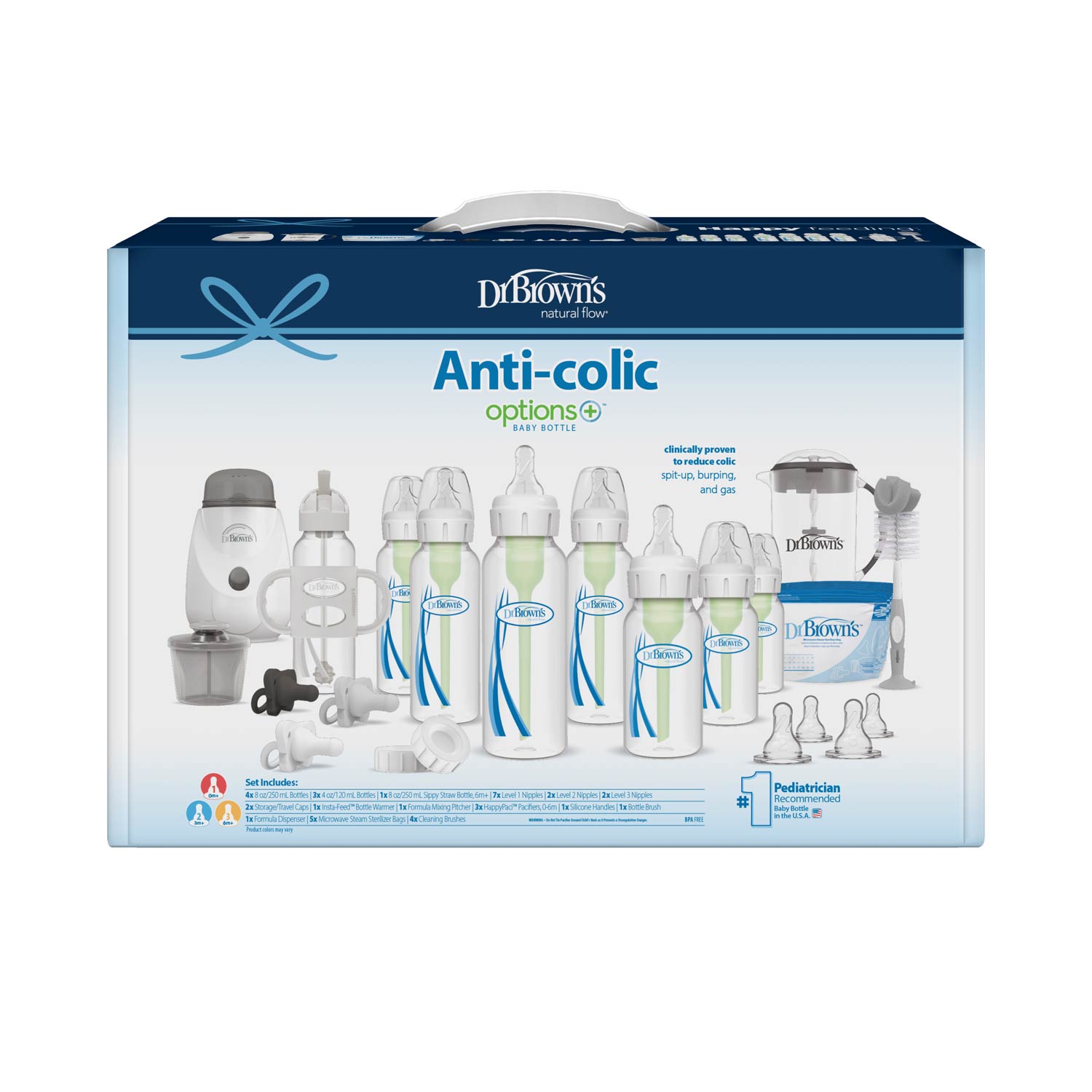
**Dr. Brown's** is the most popular anti-colic bottle. The internal vent system reduces air bubbles, which can help with gas and spit-up. The downside is more parts to wash. If your baby is gassy or spits up a lot, these are worth trying first.
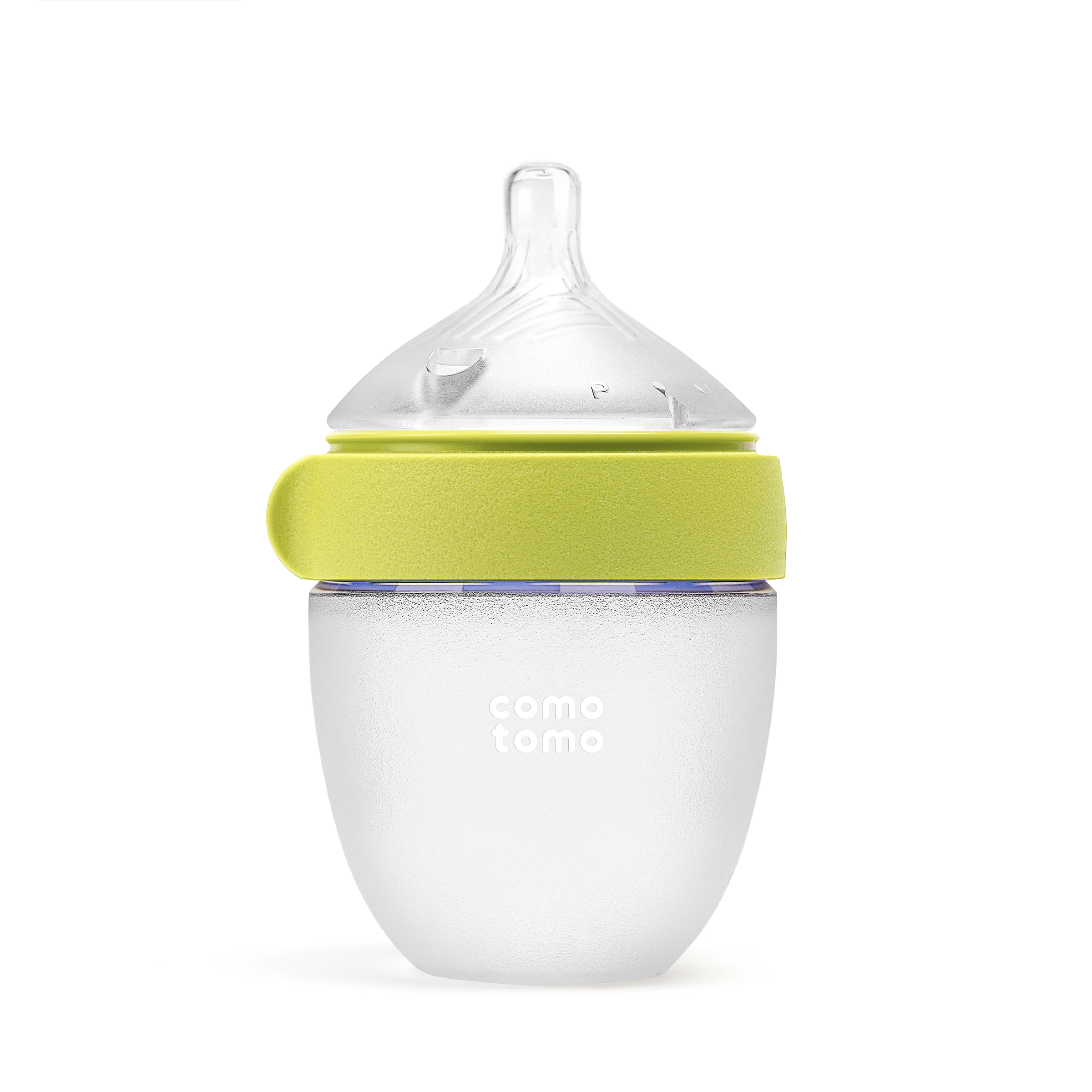
**Comotomo** has a soft, squeezable silicone body that feels more natural. Breastfed babies who resist bottles sometimes accept these. They're easy to clean (wide neck, fewer parts) but they're $13 each, which adds up.
**Philips Avent Natural** is a solid middle-ground option. Wide neck for easy cleaning, decent nipple shape, and about $6 per bottle. Nothing fancy, just reliable.
Nipple Flow Rates
Nipples come in slow, medium, and fast flow. **Start with slow flow (size 1) regardless of age.** You increase the flow rate when baby seems frustrated during feeds, not based on age. If baby is gulping, choking, or milk is leaking out the sides, the flow is too fast. If baby is working really hard and getting frustrated, the flow might be too slow.
How Many Bottles Do You Need?
6 to 8 bottles is the sweet spot. That covers a full day's feeds plus a few in the dishwasher. If you're exclusively bottle feeding, lean toward 8. Washing bottles is a task you'll want to batch, not do one at a time.
Formula Basics
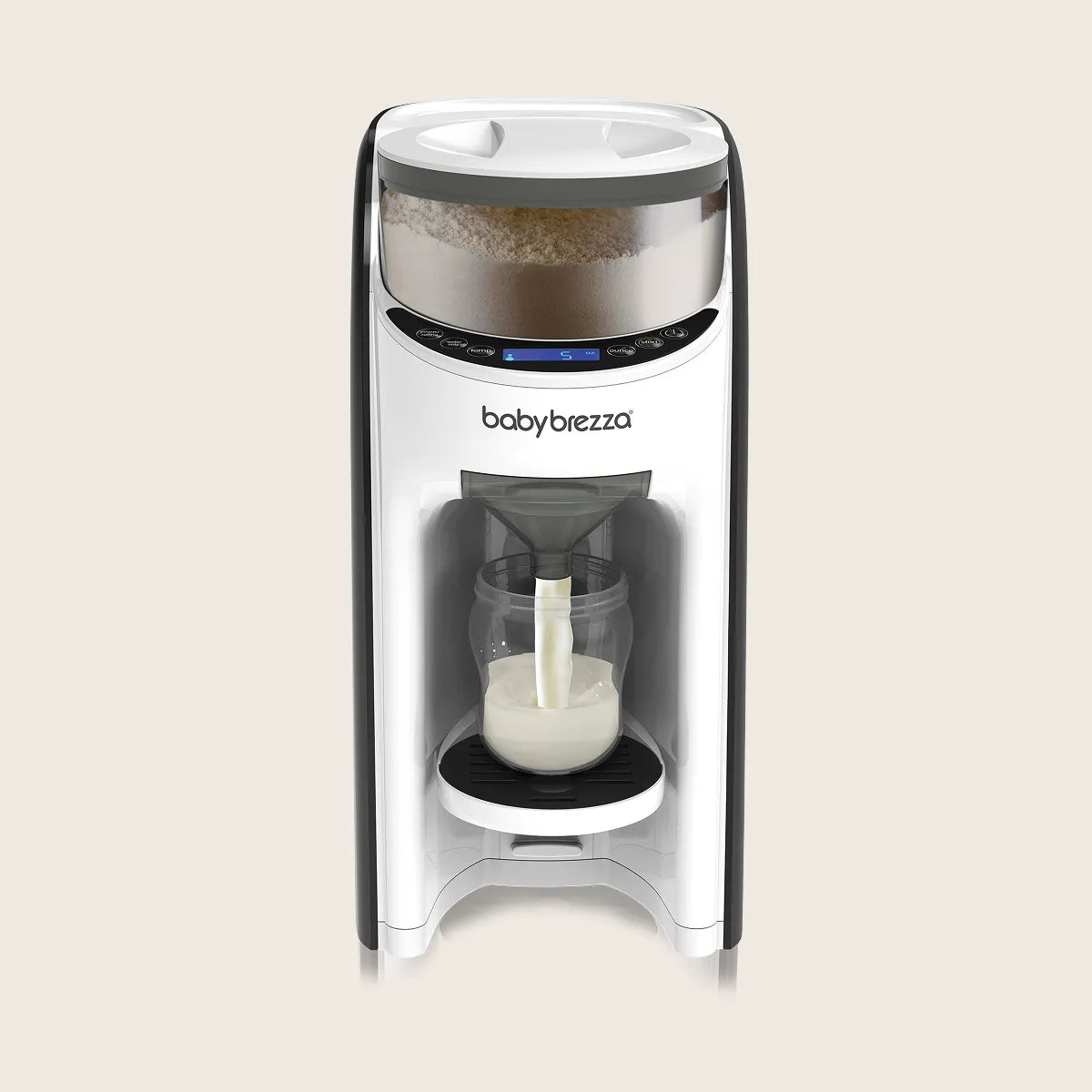
If you're using formula, talk to your pediatrician about which type. Most babies do fine on standard cow's milk-based formula. Brand name and store brand are nutritionally identical since the FDA regulates formula composition. Costco's Kirkland formula is the same quality as Similac at half the price.
Warming and Prep
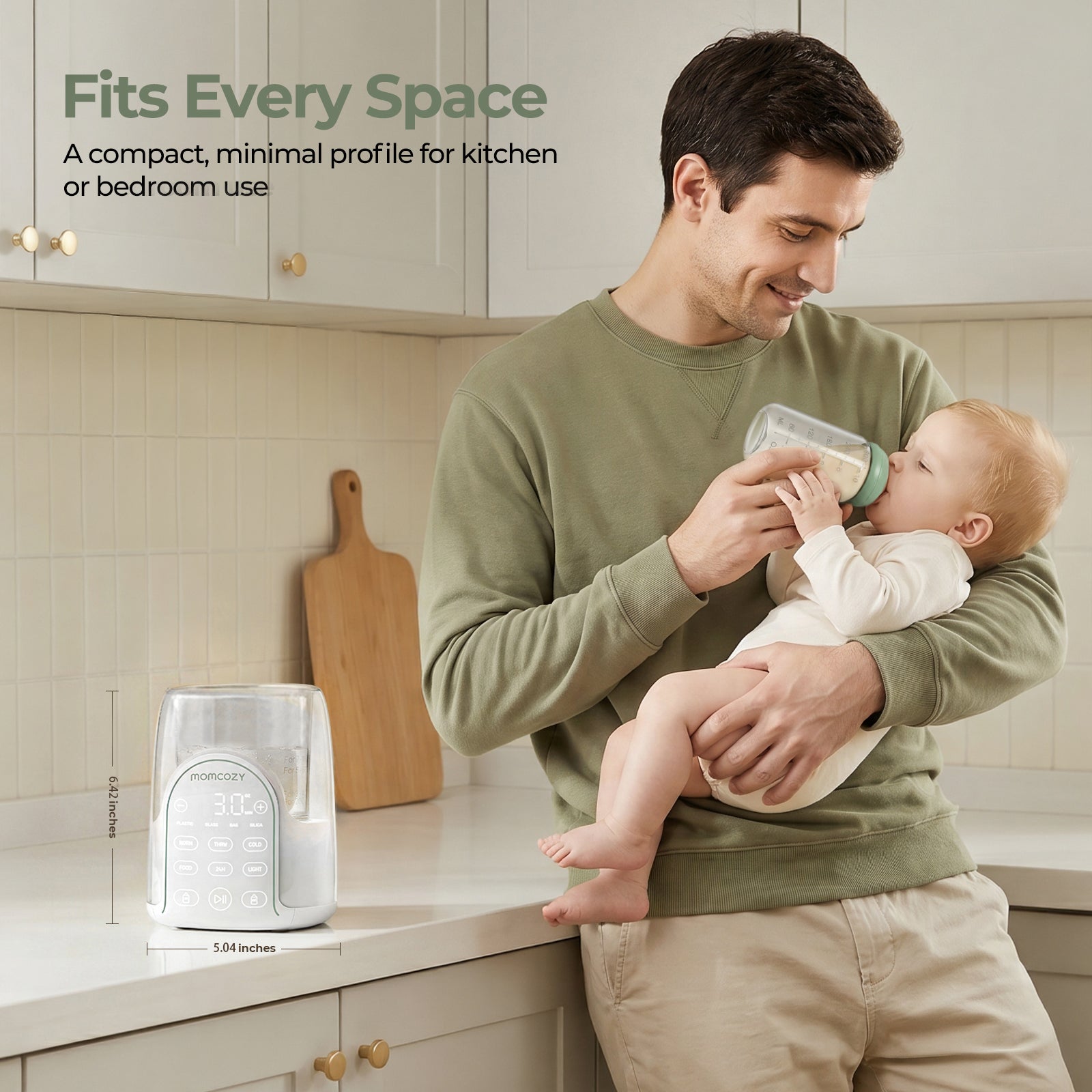
Most babies are fine with room temperature or even cold bottles. If your baby prefers warm, a bottle warmer is convenient but not necessary. Running the bottle under warm tap water for 2 minutes works fine. **Never microwave a bottle.** It creates hot spots that can burn baby's mouth.
For middle-of-the-night feeds, keep a thermos of warm water and pre-measured formula by the bed. Mix, feed, done. No stumbling to the kitchen at 2am.
Cleaning
At minimum, wash bottles with hot soapy water after every use. You need to sterilize bottles for the first 3 months, then regular washing is fine for healthy, full-term babies. A bottle brush with a nipple brush is essential. The OXO Tot bottle brush is the best one out there.