Winter Clothing for Babies: How to Layer Without Overheating
Here's the paradox of dressing a baby for winter: they lose heat faster than adults because of their body surface area, but they also overheat easily because they can't regulate temperature well yet. You need to keep them warm without turning them into a little sweaty burrito. Layering is the answer.
The Layering Rule
Dress baby in one more layer than you're wearing. If you're comfortable in a shirt and sweater, baby gets a onesie, a sweater, and a light jacket. That's it. The "one more layer" rule adjusts automatically for temperature and is way more useful than specific temperature-to-clothing charts.
Base Layer
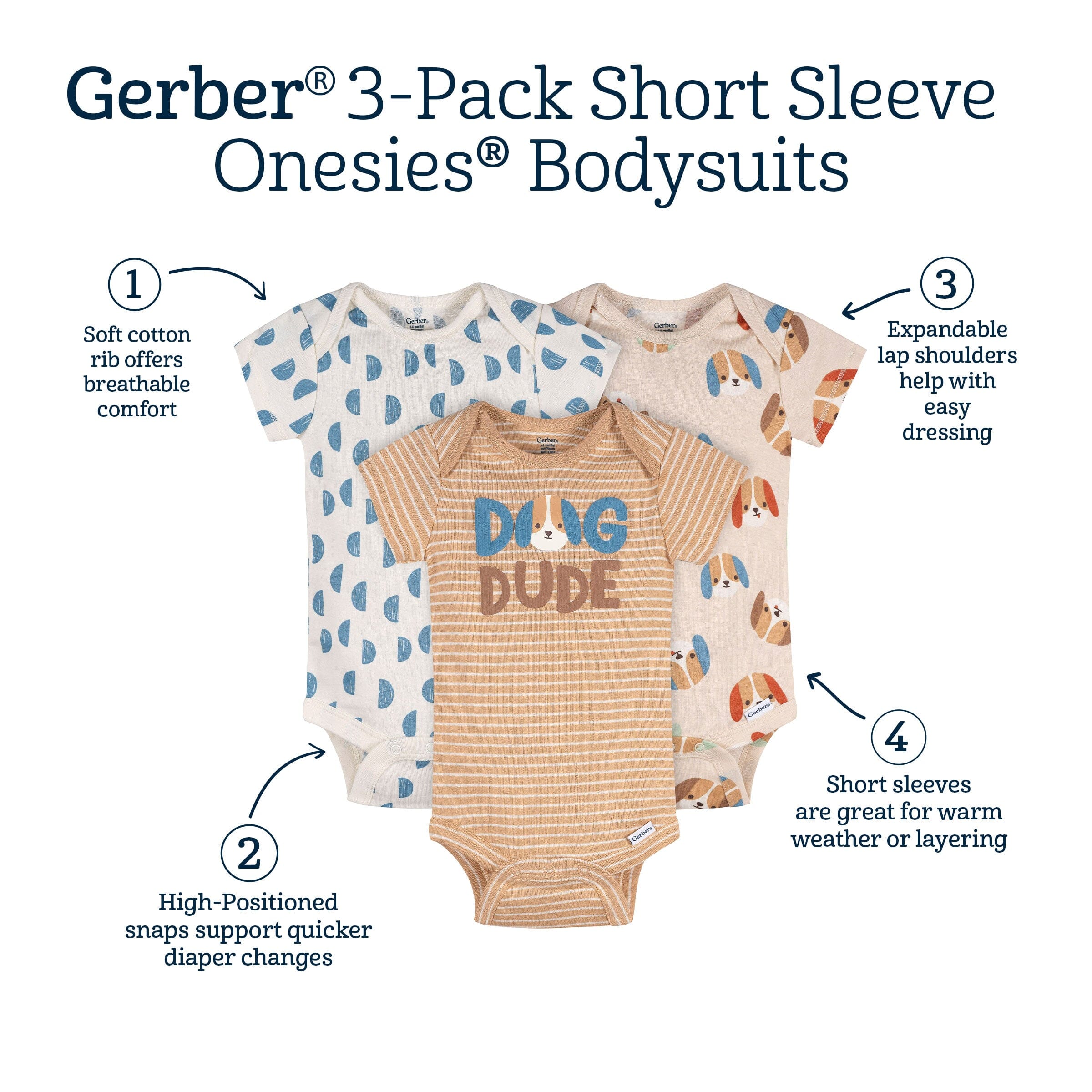
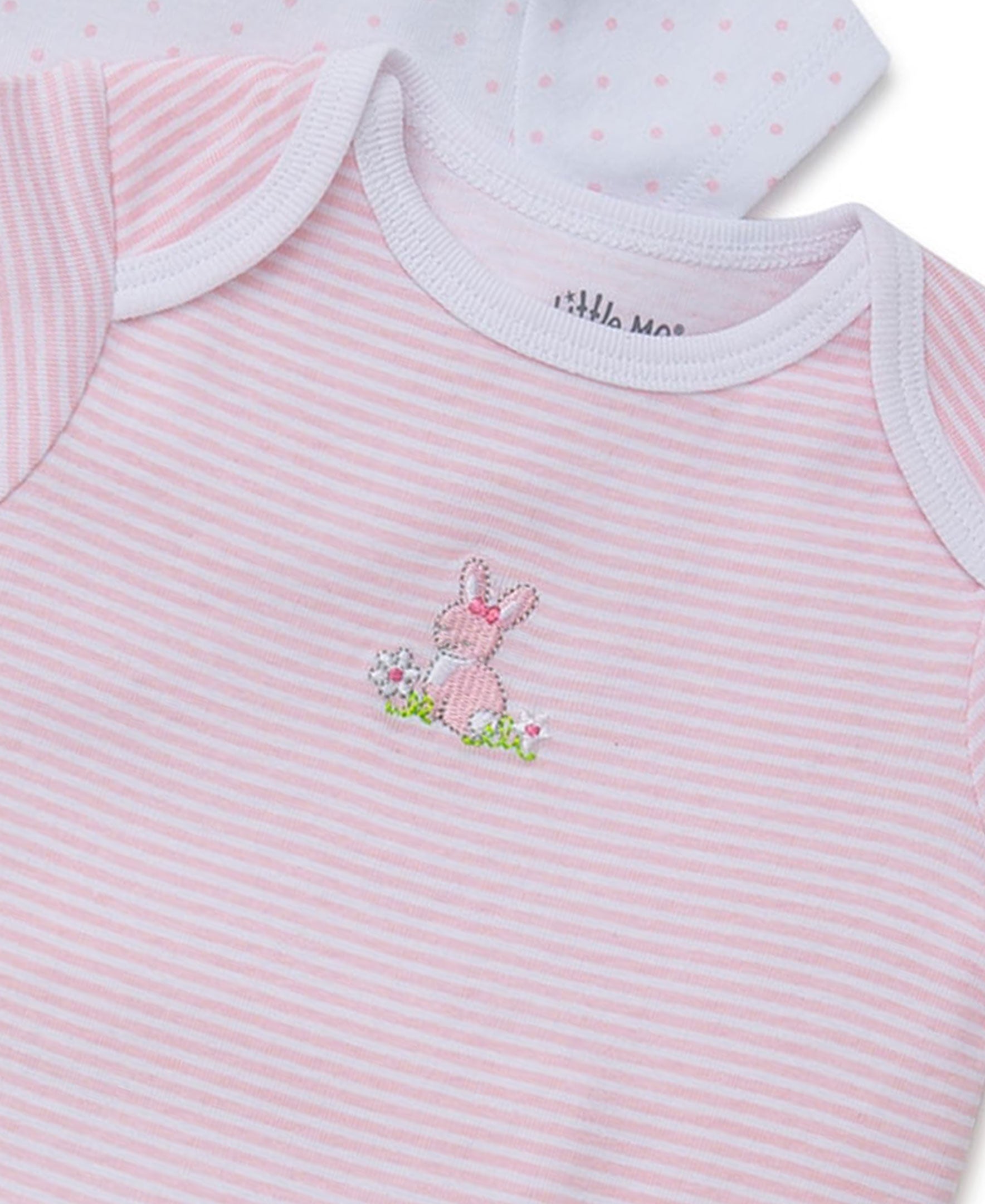
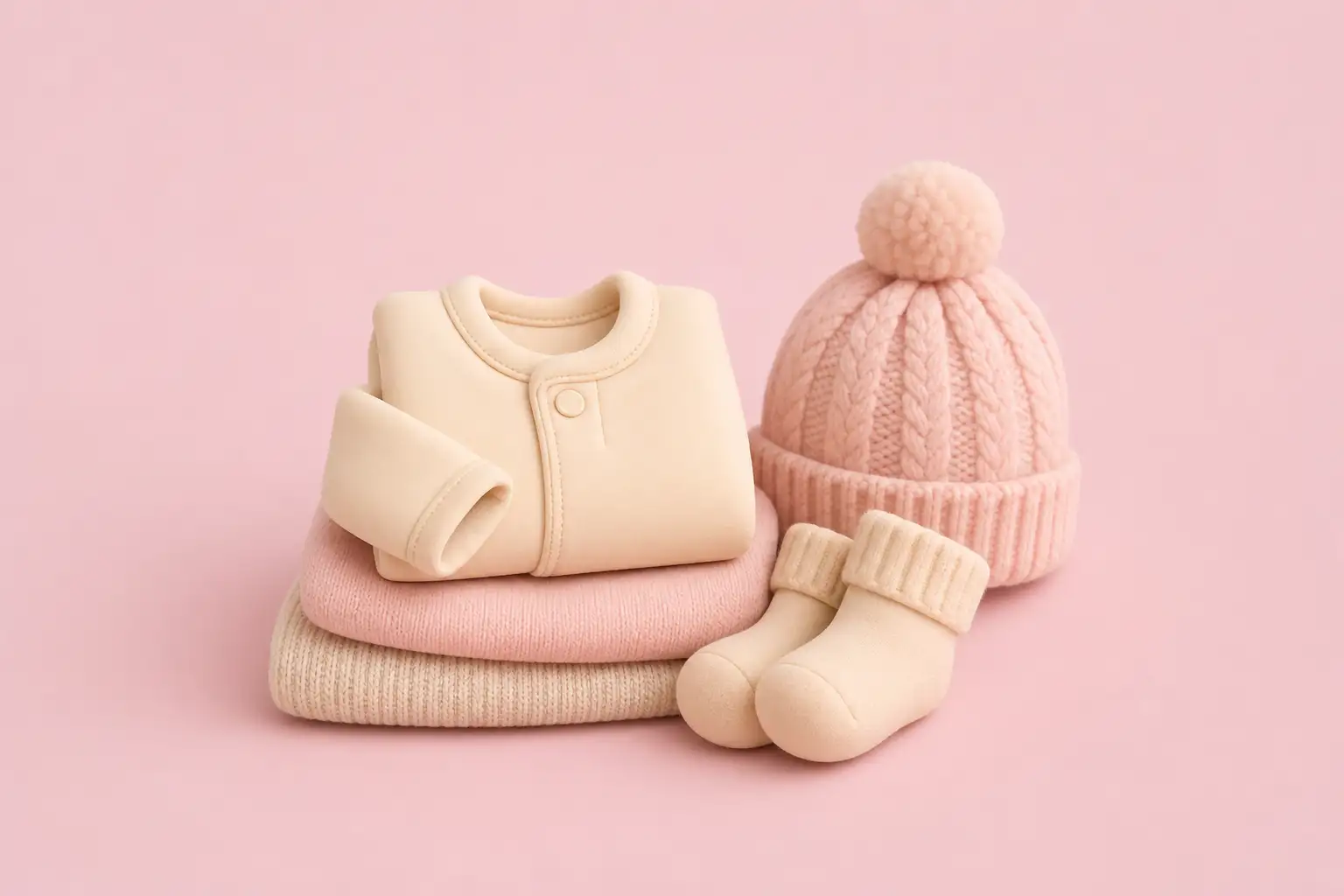
A cotton or merino wool onesie against the skin. Cotton is fine for indoor use and mild cold. Merino wool is better for serious cold because it wicks moisture and regulates temperature naturally. Woolino and L'ovedbaby make great merino base layers. Yeah, they're expensive ($25 to $40 for a onesie), but merino genuinely performs better in cold weather.
Mid Layer
A fleece or cotton sweater/jacket. This is the insulation layer. Fleece is lightweight and warm. A zip-up fleece is easier than a pullover because you're not fighting baby's head through a neck hole. Patagonia Baby Synchilla ($50) is the gold standard but Columbia and Cat & Jack (Target) make perfectly good fleece at half the price.
Outer Layer
For outdoor time in real winter weather, you want a bunting or snowsuit that covers hands and feet. The Columbia Snuggly Bunny Bunting ($60) is warm, has fold-over hand and foot covers, and the long zipper makes it relatively easy to get on and off. For car seats, remember that puffy coats and buntings must come OFF in the car seat. Bulky outerwear compresses in a crash and creates slack in the harness. Use a car seat cover or blanket over the strapped-in baby instead.
Hands, Feet, Head
**Mittens** are almost impossible to keep on a baby. Ones with velcro wrist closures stay on better than elastic. Or just use a bunting with fold-over hand covers.
**Socks and booties.** Regular socks slide off constantly. Zutano booties actually stay on baby feet, which is basically magic. They're $16 a pair but worth it because you won't lose them.
**Hats.** Babies lose a lot of heat through their heads. A snug cotton or fleece hat that covers the ears is essential for outdoor time. Skip the pom-pom hats for babies under 12 months since any detachable decorations are a choking hazard.
Signs of Overheating
Check the back of baby's neck, not their hands or feet. Hands and feet are often cool even when baby is plenty warm. If the back of the neck feels hot or sweaty, remove a layer. Red cheeks, fussiness, and rapid breathing can also signal overheating. Overheating is actually a bigger risk than being too cold for most indoor babies.
Indoor Winter Dressing
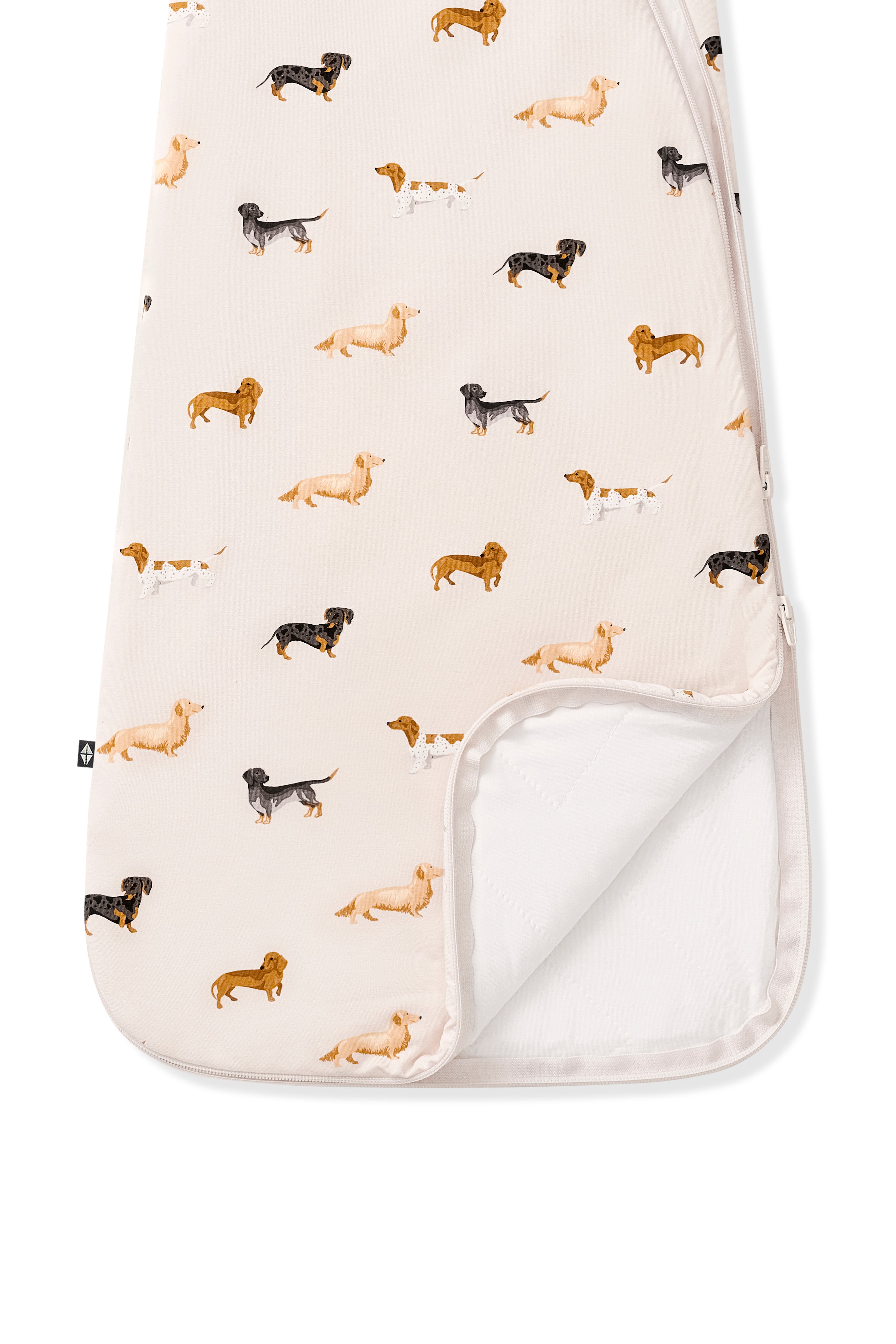
At home with the heat on, a onesie and a fleece sleeper is usually enough. Sleep sacks replace blankets at night. Keep the nursery between 68 and 72 degrees and use a room thermometer so you're not guessing. If you can't keep the room that warm, a higher-TOG sleep sack (2.5 TOG) is safer than adding blankets.
Car Seat Safety Reminder
This is important enough to repeat: no puffy coats in the car seat. Ever. The padding compresses in a crash, creating dangerous slack in the harness straps. Take the coat off, strap baby in snugly, then put a blanket or car seat cover over them. It takes an extra 30 seconds and it could save their life.