Best Swaddles for Newborns: Wraps That Actually Stay Put
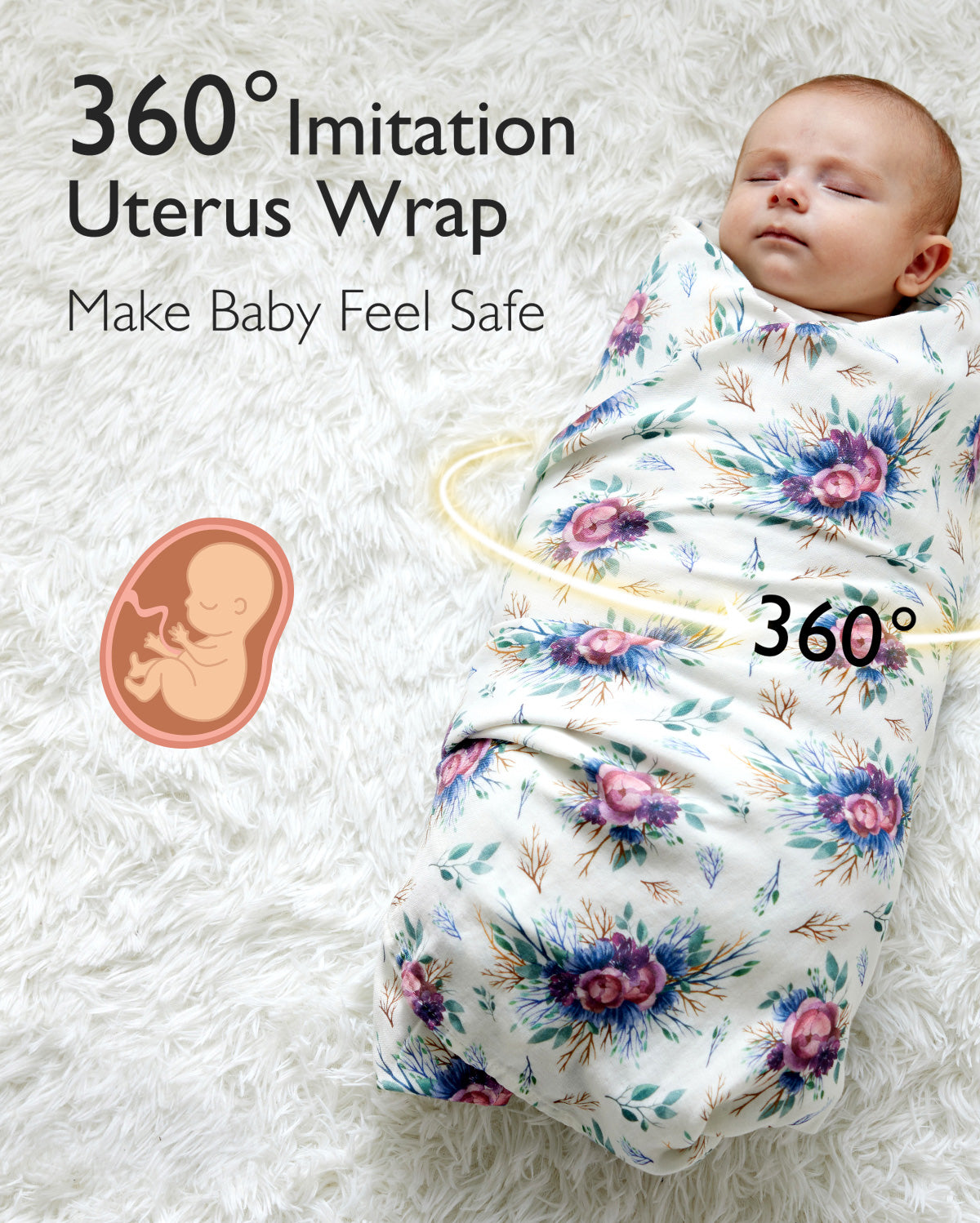
Swaddling works. It mimics the snug feeling of the womb, reduces the startle reflex that wakes babies up, and helps newborns sleep longer stretches. But traditional swaddle blankets are an art form that takes practice, and many babies bust out of them within minutes. Here are the swaddles that actually hold.
Why Swaddling Works
The Moro (startle) reflex causes babies to fling their arms out suddenly, which wakes them up. It's involuntary and it happens multiple times during sleep. Swaddling keeps arms contained so the startle doesn't fully wake them. It's one of the simplest and most effective newborn sleep tools.
Our Top Picks
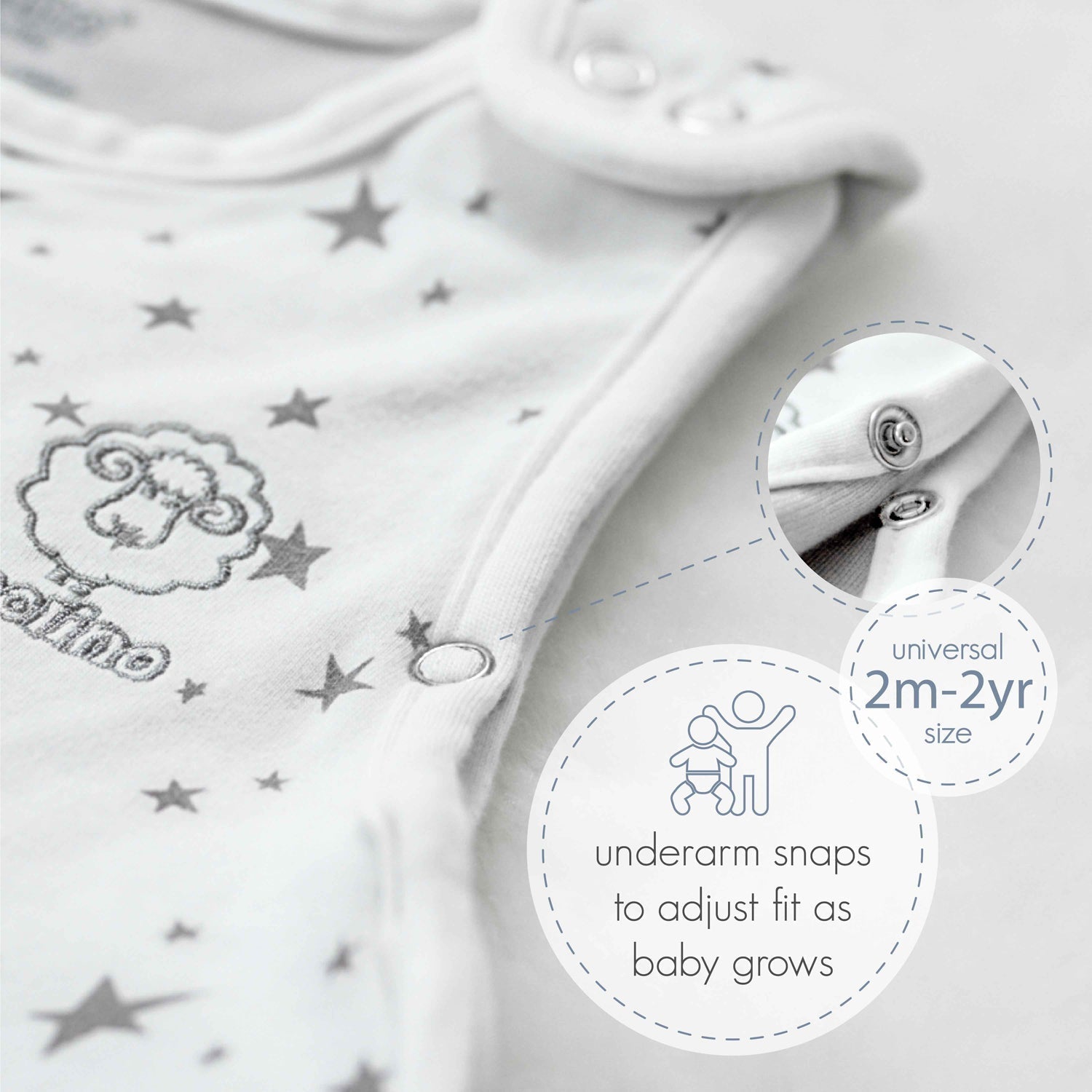
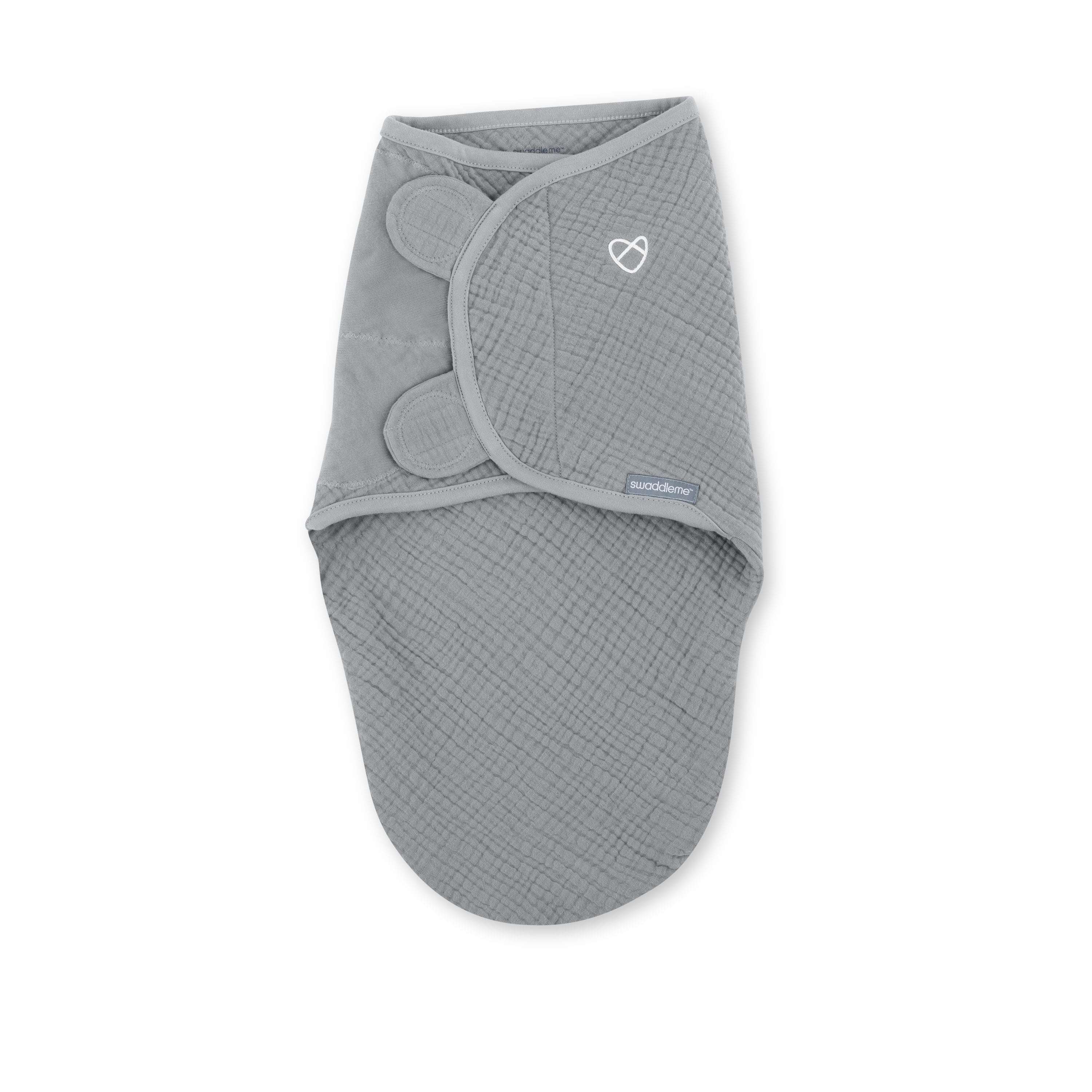
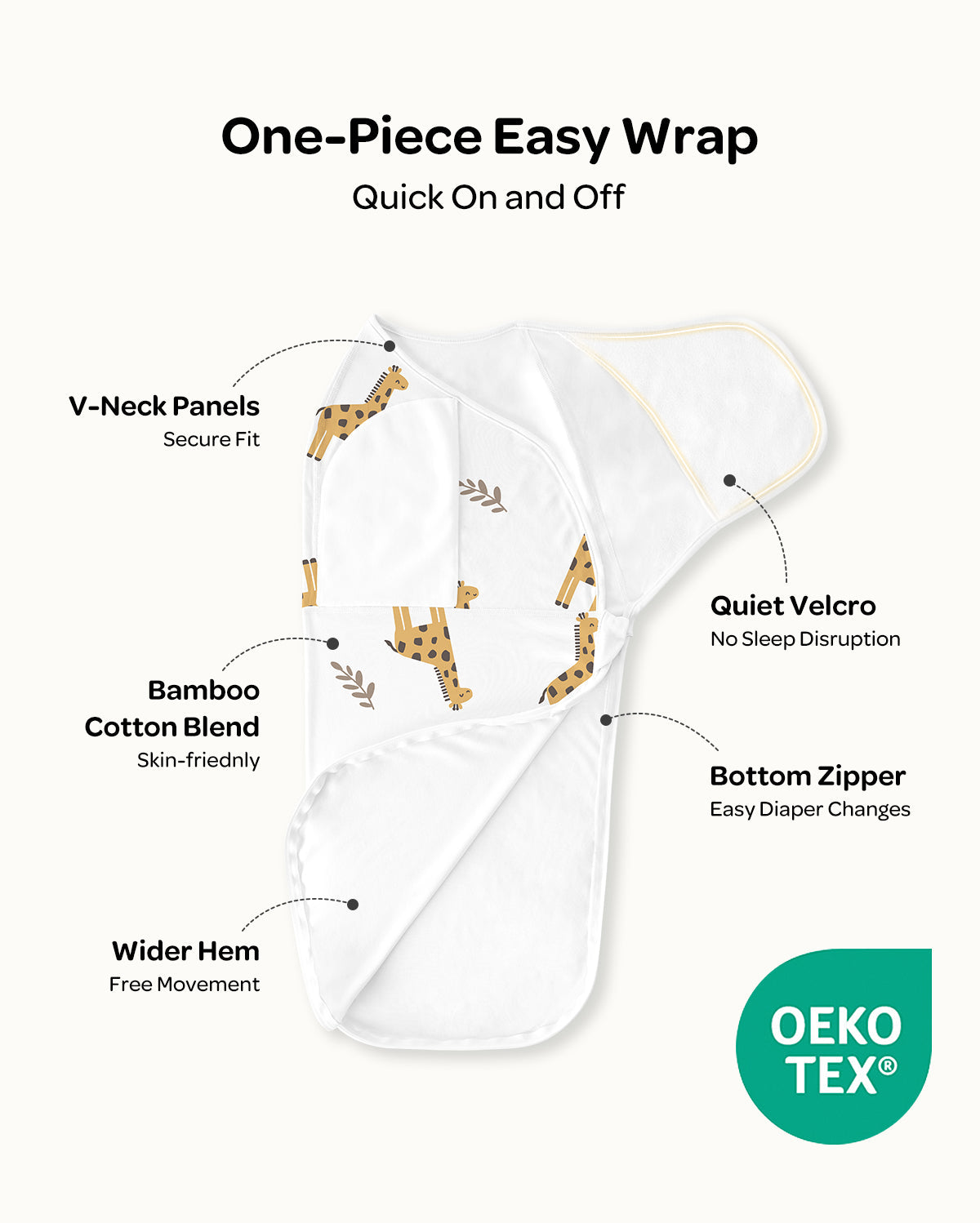
**Halo SleepSack Swaddle ($25 to $30)** is the hospital standard. The bottom is a sleep sack (legs free to move), and the top uses velcro wings to wrap baby's arms. It's pretty escape-proof and the velcro adjusts to different sizes. The two-wing design lets you swaddle arms in, one arm out (for transition), or both arms out.
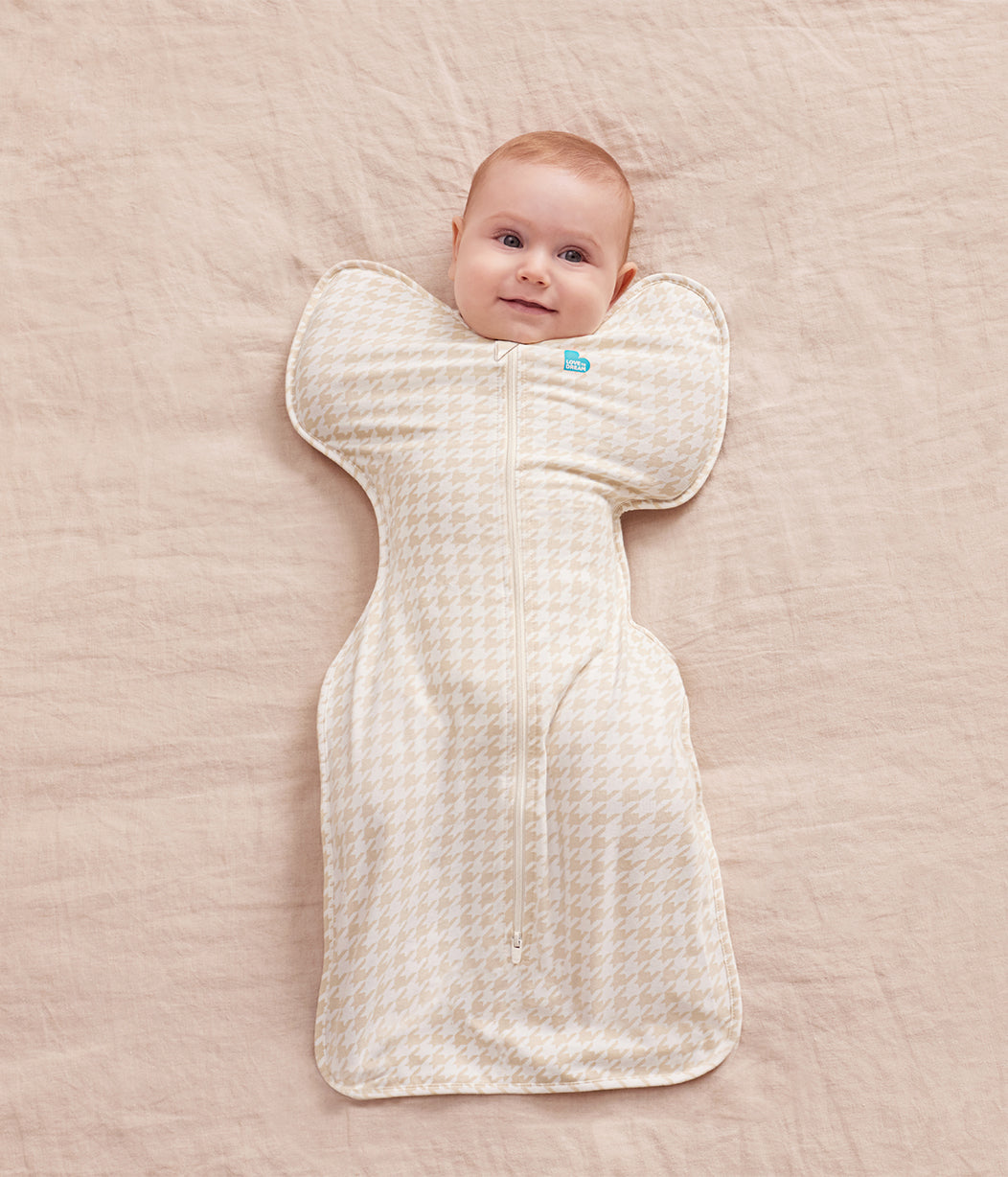
**Love to Dream Swaddle Up ($30)** takes a different approach. Instead of wrapping arms down at baby's sides, it lets them sleep with arms up in a natural position while still containing the startle reflex. Some babies who fight traditional swaddles love this style because it lets them keep their hands near their face. The zip-off wings make transitioning out of the swaddle easier.
**Ollie World Swaddle ($60)** uses a moisture-wicking fabric with a velcro system that's incredibly secure. It's the most escape-proof swaddle we've tried. The stretch in the fabric lets baby move slightly without breaking free. It's pricey, but if your baby is a consistent escape artist, this is the one.
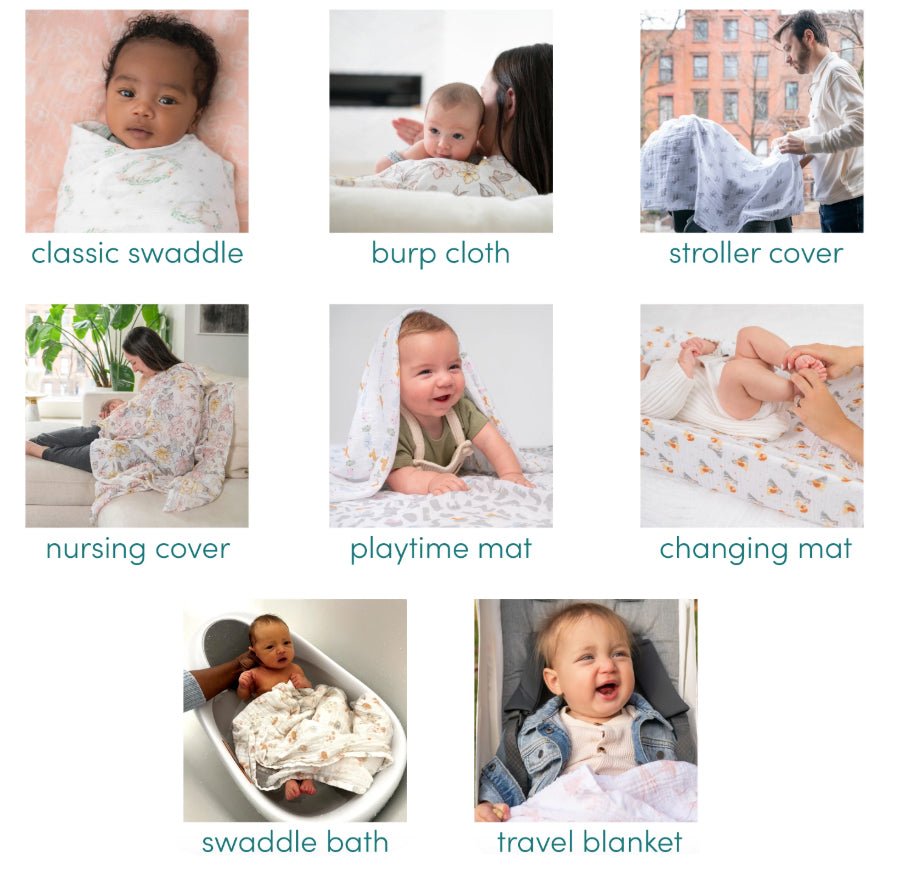
**Muslin swaddle blankets ($15 for a 2-pack)** are the traditional option. Aden + Anais makes the most popular ones. They require learning the swaddle fold (YouTube "diamond swaddle technique"), and some babies will bust out. But they're versatile since you can also use them as burp cloths, nursing covers, stroller blankets, and changing pad covers.
How to Swaddle Safely
Arms wrapped snug, hips loose. This is the critical rule. The arms should be secure enough that baby can't break free, but the bottom of the swaddle should be loose enough that baby can bend their knees and kick. Tight swaddling around the hips can contribute to hip dysplasia.
Baby should always be placed on their back when swaddled. Never on the side or stomach. And the swaddle should be snug enough that there's no loose fabric near baby's face.
When to Stop Swaddling
**Stop at the first sign of rolling.** This is non-negotiable. If baby is showing any signs of rolling over (usually around 3 to 4 months, but sometimes earlier), the swaddle must come off immediately. A swaddled baby who rolls onto their stomach cannot use their arms to push up or reposition, which is a suffocation risk.
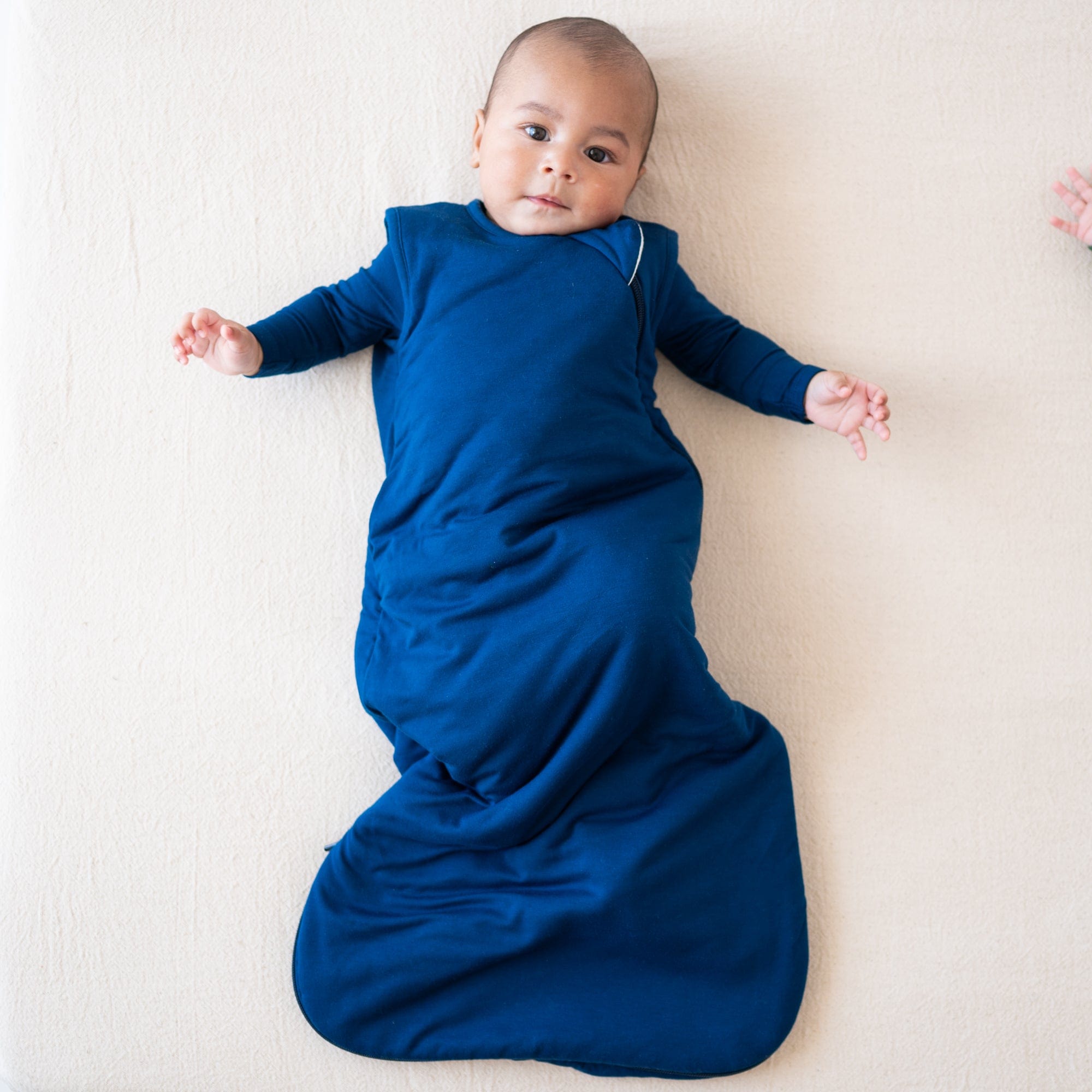
Most babies are ready to stop swaddling between 3 and 4 months. Some resist the transition and sleep is rough for a few nights. That's normal. The transition options are: cold turkey (just stop), one arm out for a few nights then both arms out, or switch to a transitional product like the Merlin's Magic Sleepsuit or Zipadee-Zip.
How Many Do You Need?
3 to 4 swaddles for daily rotation. You'll want at least one backup for middle-of-the-night spit-up incidents, plus one in the wash. If you're using velcro swaddles, they wear out faster than blankets since the velcro weakens with washing. The Halo holds up best over time.