Best Bottles for Breastfed Babies (That Won't Cause Nipple Confusion)
If you're breastfeeding and need to introduce a bottle (going back to work, letting your partner take a feed, or just wanting a break), the big fear is nipple confusion. Will your baby reject the breast after trying a bottle? Or reject the bottle entirely? Both happen, and neither is fun.
Why Breastfed Babies Reject Bottles
Breastfeeding and bottle feeding use different mouth mechanics. At the breast, baby has to work to extract milk. With a standard bottle, milk flows freely with minimal effort. Some babies figure out the bottle is easier and start refusing the breast. Others get so used to the breast that they refuse the bottle because it feels wrong in their mouth.
What Makes a Bottle "Breastfeeding Friendly"
**Slow-flow nipple.** This is the most important factor. A slow flow makes baby work for the milk, similar to breastfeeding. Fast-flow nipples let milk pour out, which can lead to breast refusal because the bottle is just easier.
**Wide base.** A wide-base nipple encourages a wide latch, similar to how baby latches on the breast. Narrow nipples promote a shallow latch that doesn't transfer well to breastfeeding.
**Flexible nipple.** A soft, flexible nipple that compresses like breast tissue feels more natural to a breastfed baby than a rigid silicone nipple.
Our Top Picks
**Lansinoh Momma Breastfeeding Bottle ($8 each)** is specifically designed by a breastfeeding company. The NaturalWave nipple flexes and compresses like breast tissue. It's the bottle most lactation consultants recommend for breastfed babies. The price is reasonable too.
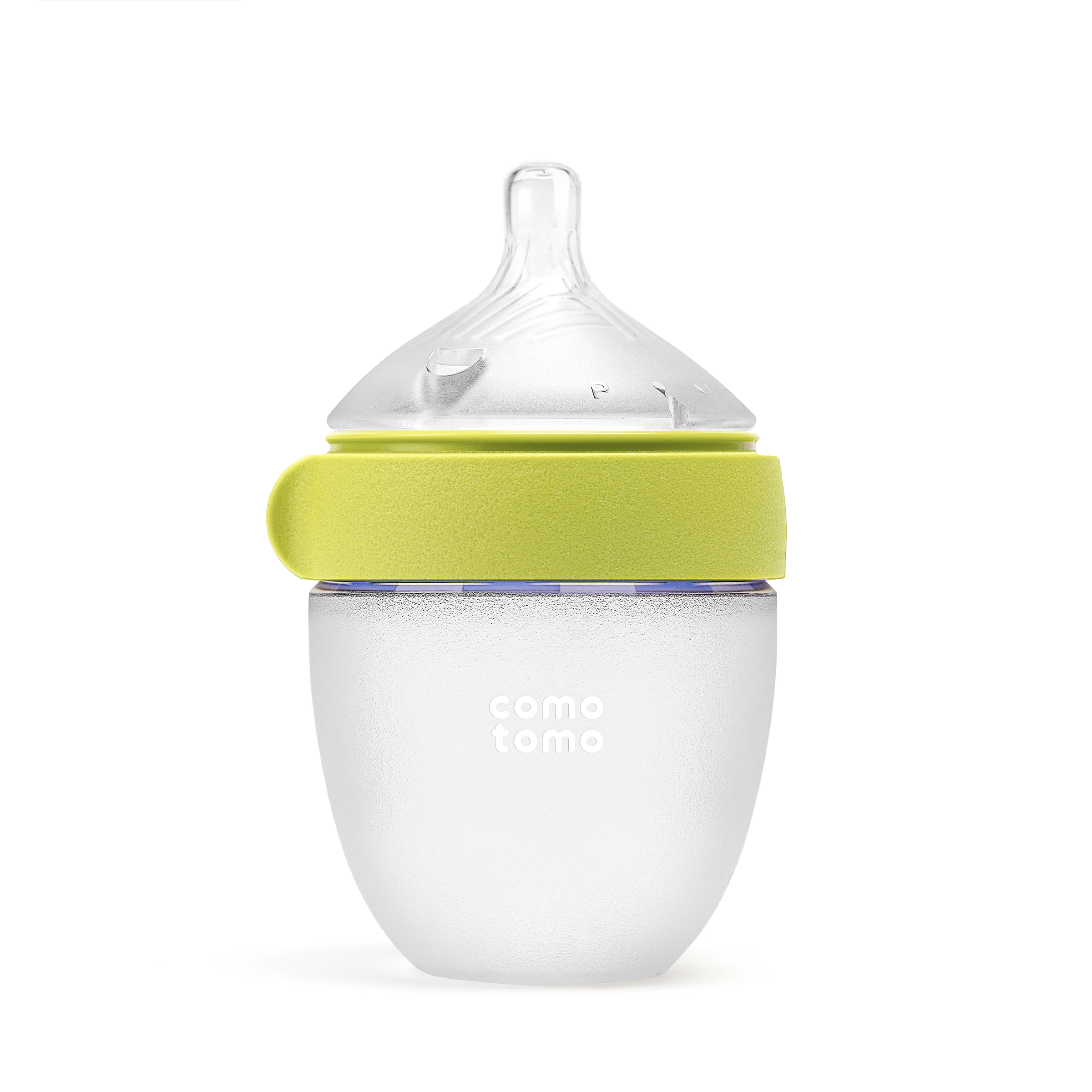
**Comotomo Natural Feel ($13 each)** has a soft, squeezable body that feels more like skin than plastic. The wide nipple base encourages a proper latch. Breastfed babies tend to accept these well. They're easy to clean since the wide neck lets you reach inside.
**Philips Avent Natural ($7 each)** has a wide, breast-shaped nipple with a flexible spiral design. It's more affordable than the Comotomo and widely available. The anti-colic valve reduces gas, which is a nice bonus.
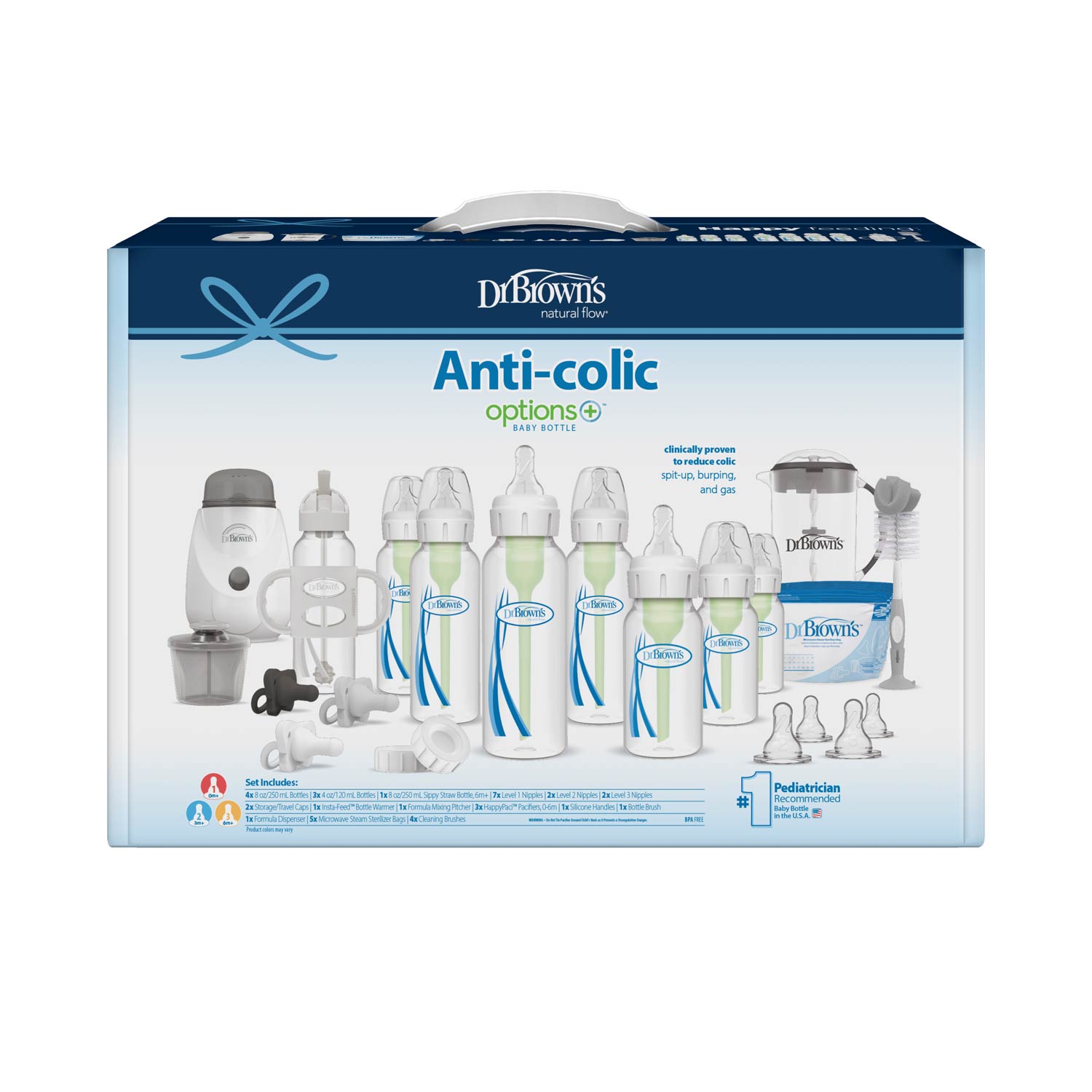
**Dr. Brown's Original Narrow Neck ($6 each)** is worth trying if your baby rejects wide-base bottles. Some breastfed babies actually prefer the narrower nipple shape. The internal vent system reduces air intake well.
Paced Bottle Feeding
The bottle you choose matters less than how you feed with it. Paced bottle feeding mimics the rhythm of breastfeeding:
Hold baby upright (not reclined). Hold the bottle horizontally so milk doesn't flow from gravity alone. Let baby draw the nipple in rather than pushing it into their mouth. Pause every few minutes by tipping the bottle down. A full feed should take 15 to 20 minutes, not 5.
This technique prevents baby from preferring the bottle over the breast because it makes bottle feeding require similar effort.
Timing the Introduction
Most lactation consultants suggest introducing a bottle between 3 and 6 weeks. Before 3 weeks, breastfeeding may not be fully established. After 6 weeks, some babies are more resistant to accepting a bottle. The 4-week mark is the sweet spot for most families.
If Baby Refuses the Bottle
Have someone other than the breastfeeding parent offer it. Baby can smell mom and will hold out for the breast if she's nearby. Try different times of day. Try different temperatures. And try different bottles, because sometimes a baby who rejects one brand will happily take another. It can take 2 to 3 weeks of consistent trying before baby accepts a bottle.