Best Baby Monitors in 2026: What Actually Matters
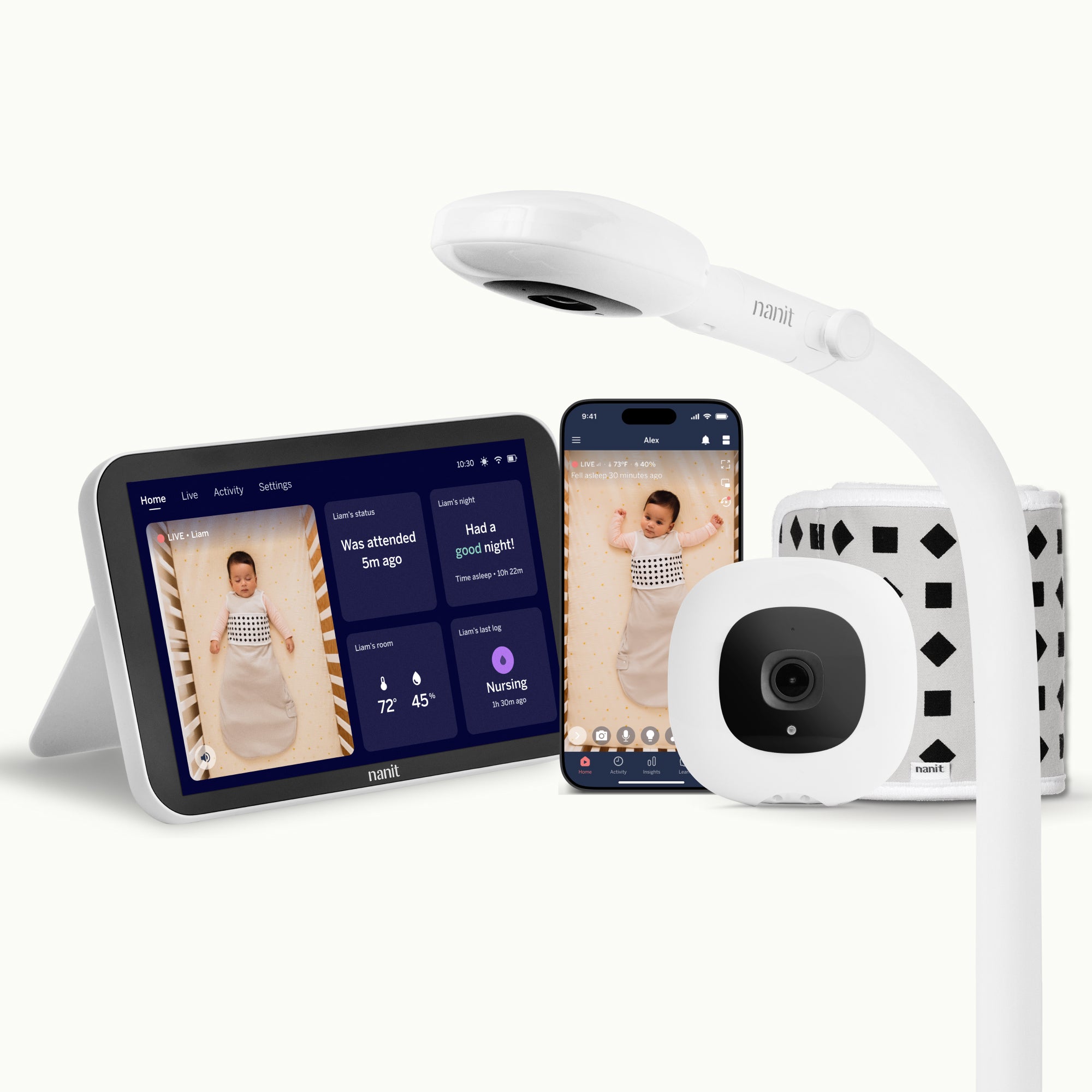
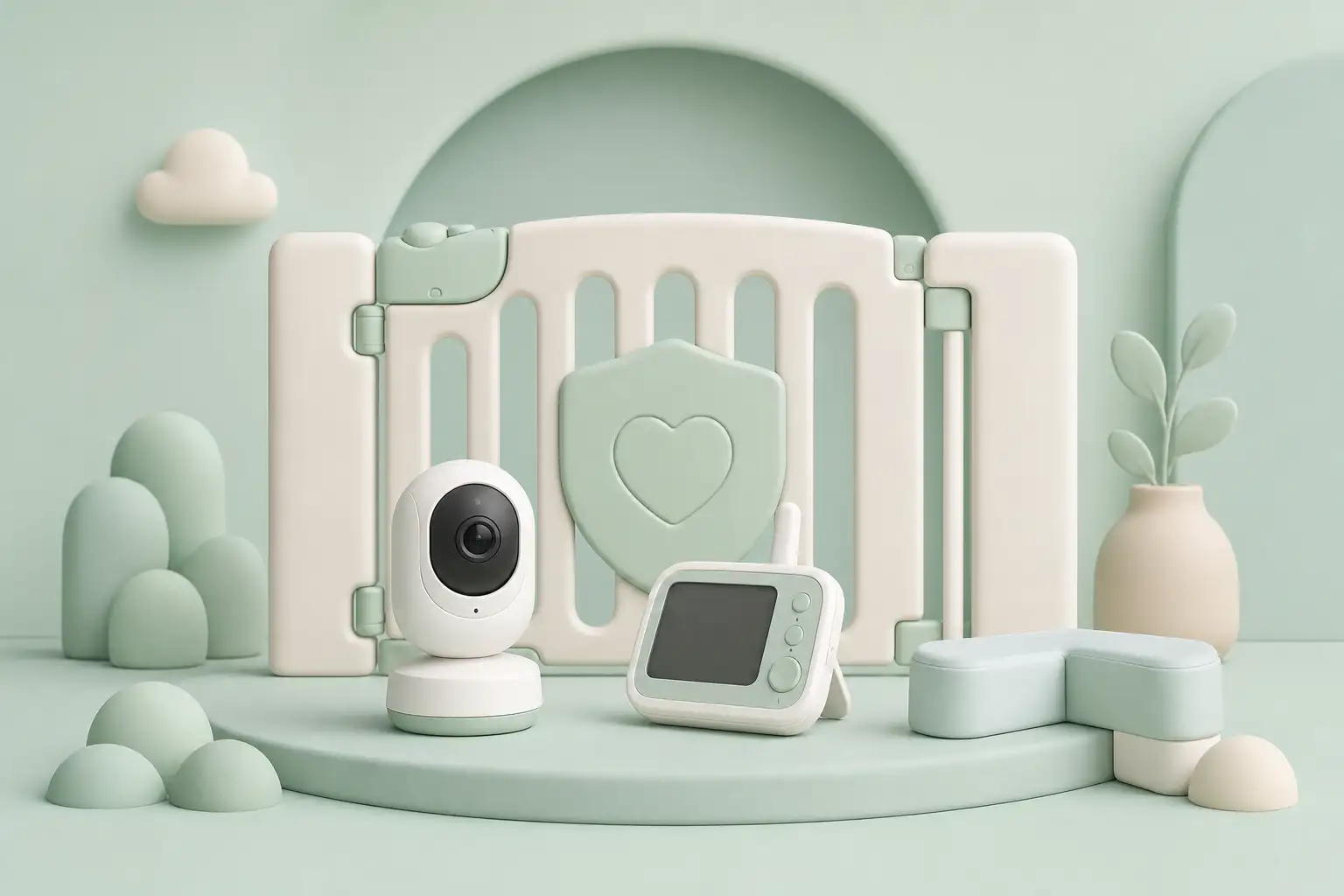
You don't need a baby monitor that tracks your baby's oxygen levels, streams to your phone, and sends you AI-generated sleep reports. You need one that shows you your baby is breathing and lets you hear when they cry. That's it.
Video vs. Audio Only
Video monitors are nice to have, but audio-only monitors work perfectly fine for most families. If you're a first-time parent who's going to check the screen every 4 minutes (we've all been there), video gives you peace of mind. But plenty of parents use a simple audio monitor and sleep just fine.
WiFi vs. Dedicated Frequency
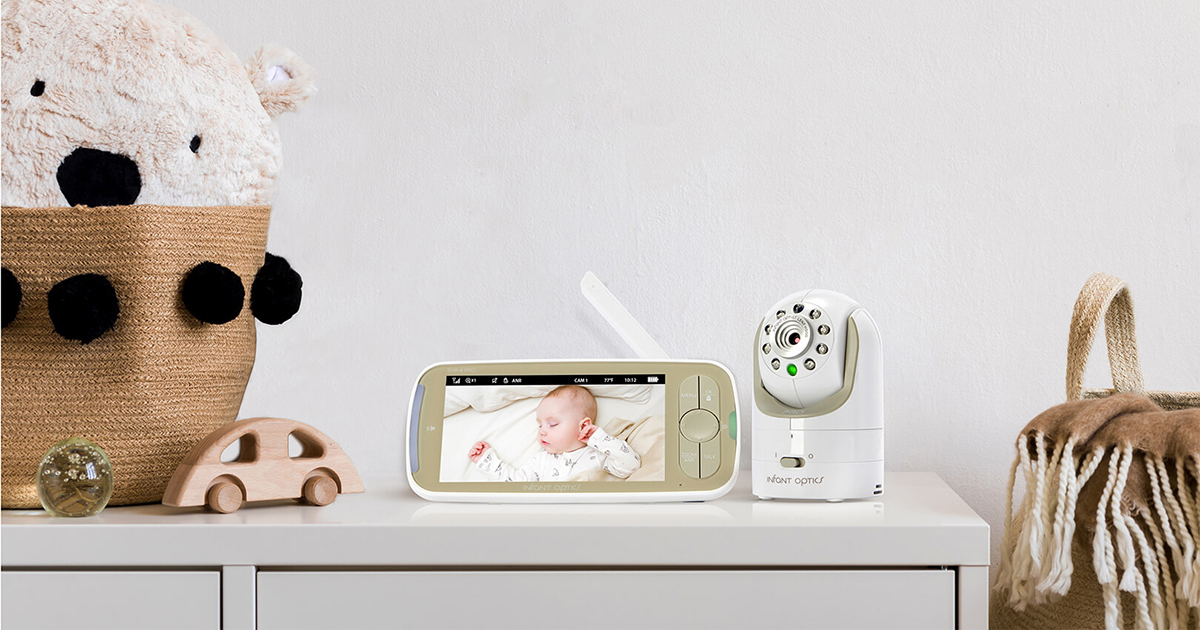
WiFi monitors let you check in from your phone anywhere. Sounds great until your WiFi goes down at midnight and you can't see anything. Dedicated frequency monitors (like the Infant Optics DXR-8 Pro) work on their own signal and don't depend on your internet. They're more reliable when it actually matters.
Features Worth Paying For
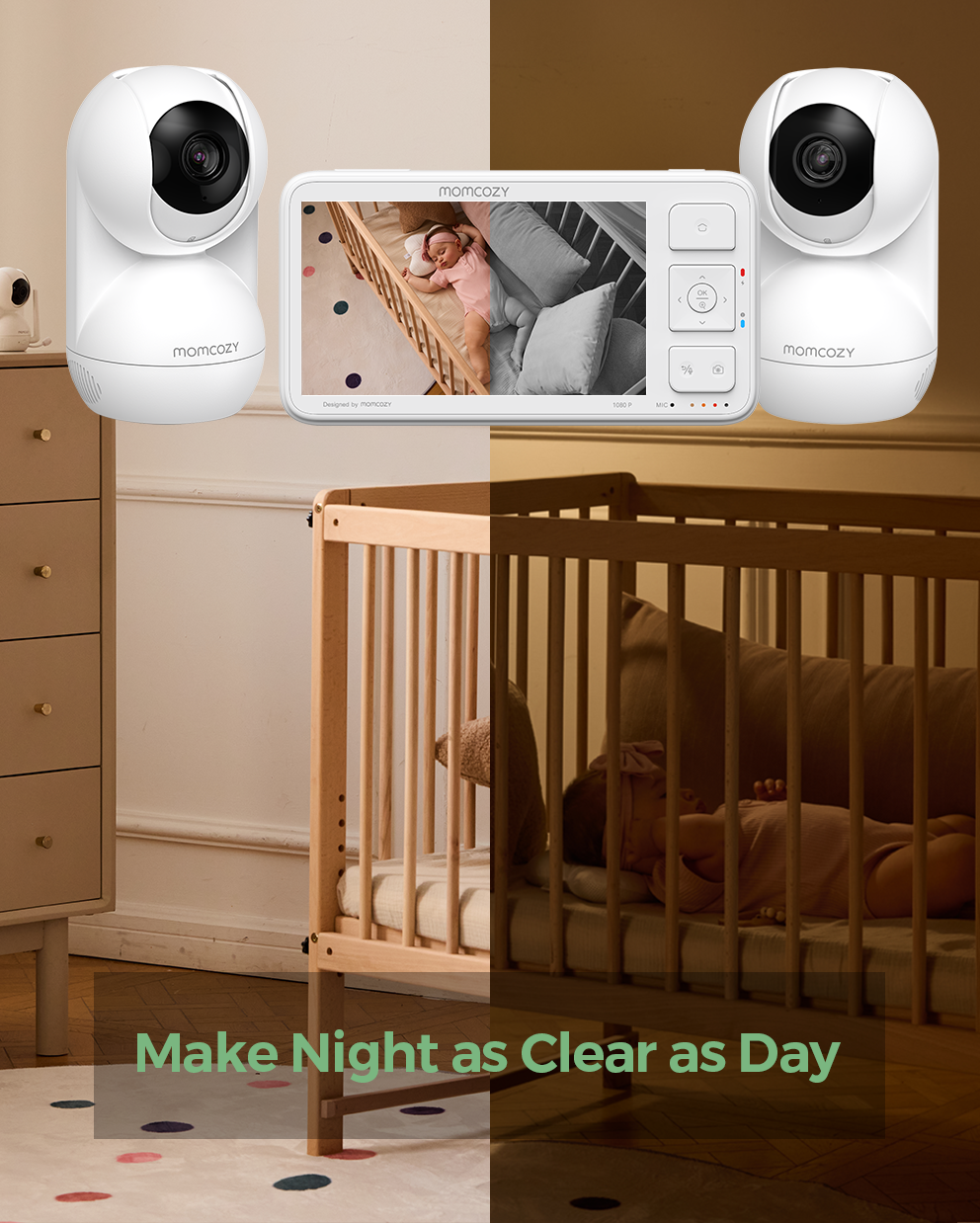
Temperature display in the nursery is genuinely useful. Two-way talk lets you shush baby without walking in. Room-darkening screen modes won't blind you at 3am. Night vision that's actually clear enough to see baby's chest moving is non-negotiable.
Features You Can Skip
Sleep tracking analytics, breathing wearables for healthy babies, and multi-camera setups for a single nursery are all nice on paper but rarely worth the premium. Talk to your pediatrician before buying any wearable health monitor, and don't let marketing anxiety push you into spending $400 when a $150 monitor does the job.
Our Top Pick
The Infant Optics DXR-8 Pro hits the sweet spot. Dedicated signal, reliable night vision, interchangeable lenses, and it doesn't need WiFi. It's been the go-to recommendation from parents and pediatric sleep consultants for years.