Baby Laundry Detergent: Do You Really Need a Special One?
Short answer: probably not. Longer answer: it depends on your baby's skin.
Most babies do perfectly fine with regular, fragrance-free laundry detergent. The "baby" label on detergent is mostly marketing. But babies with eczema, sensitive skin, or allergies may genuinely benefit from a gentler formula. Here's how to figure out what your baby actually needs.
What Makes Baby Detergent Different
Baby-specific detergents typically have three things going for them: no fragrances, no dyes, and fewer harsh surfactants. That's it. There's no magic baby ingredient. They're just milder versions of regular detergent.
The thing is, many regular detergent brands make fragrance-free and dye-free versions that are just as gentle. You don't have to buy a product labeled "baby" to get these qualities.
Our Recommendations
**For most babies: All Free & Clear ($12 for 88 loads)** This is what most pediatric dermatologists recommend. No fragrances, no dyes, hypoallergenic, and it actually cleans well. It costs about the same as regular detergent. The "Free & Clear" version of any major brand (Tide, All, Seventh Generation) works similarly.
**For sensitive skin or eczema: Dreft Stage 2 ($14 for 64 loads)** Dreft is the classic baby detergent. Stage 2 is for active babies and it's better at removing food stains than Stage 1. It does contain fragrance (a very mild one), which is ironic for a "gentle" detergent. If your baby has eczema, the fragrance-free options above might actually be better.
**For eco-conscious families: Seventh Generation Free & Clear ($12 for 66 loads)** Plant-based formula, no synthetic fragrances, no dyes, biodegradable. USDA certified biobased. It cleans well enough for baby clothes. May struggle with heavy stains on adult clothes.
**For stubborn stains: Oxiclean Baby Stain Remover ($8)** This isn't a detergent, it's a pre-treatment. For blowout stains, spit-up, and pureed sweet potato on a white onesie, soak the item in Oxiclean Baby before washing. It works significantly better than regular stain removers on protein-based stains (which is most baby stains).
Do You Need to Wash Baby Clothes Separately?
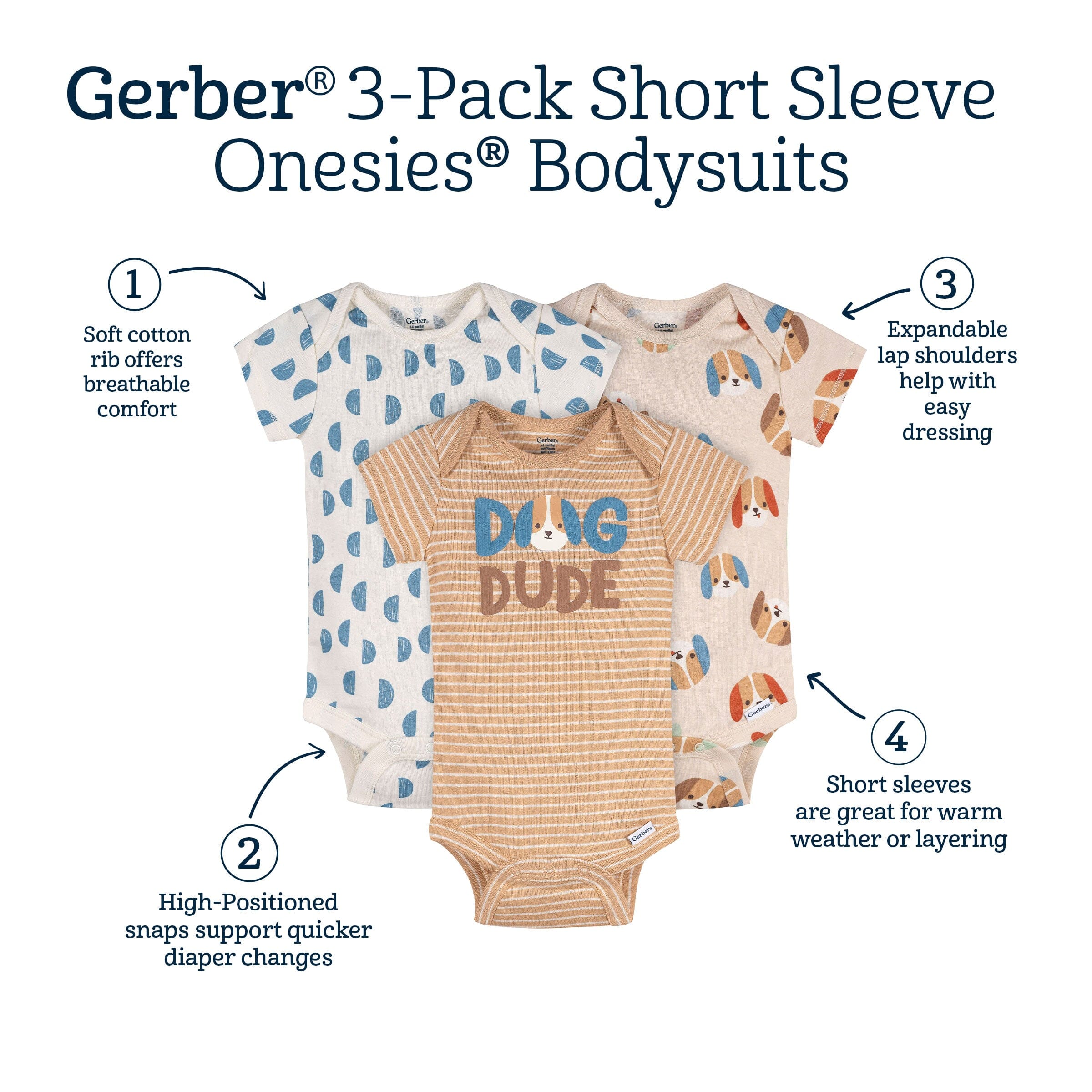
For the first few months, many parents wash baby clothes separately with baby-specific detergent as a precaution. After that, most families just wash everything together with a gentle, fragrance-free detergent. If baby isn't having skin reactions, there's no medical reason to keep separating loads.
New Clothes: Wash Before Wearing
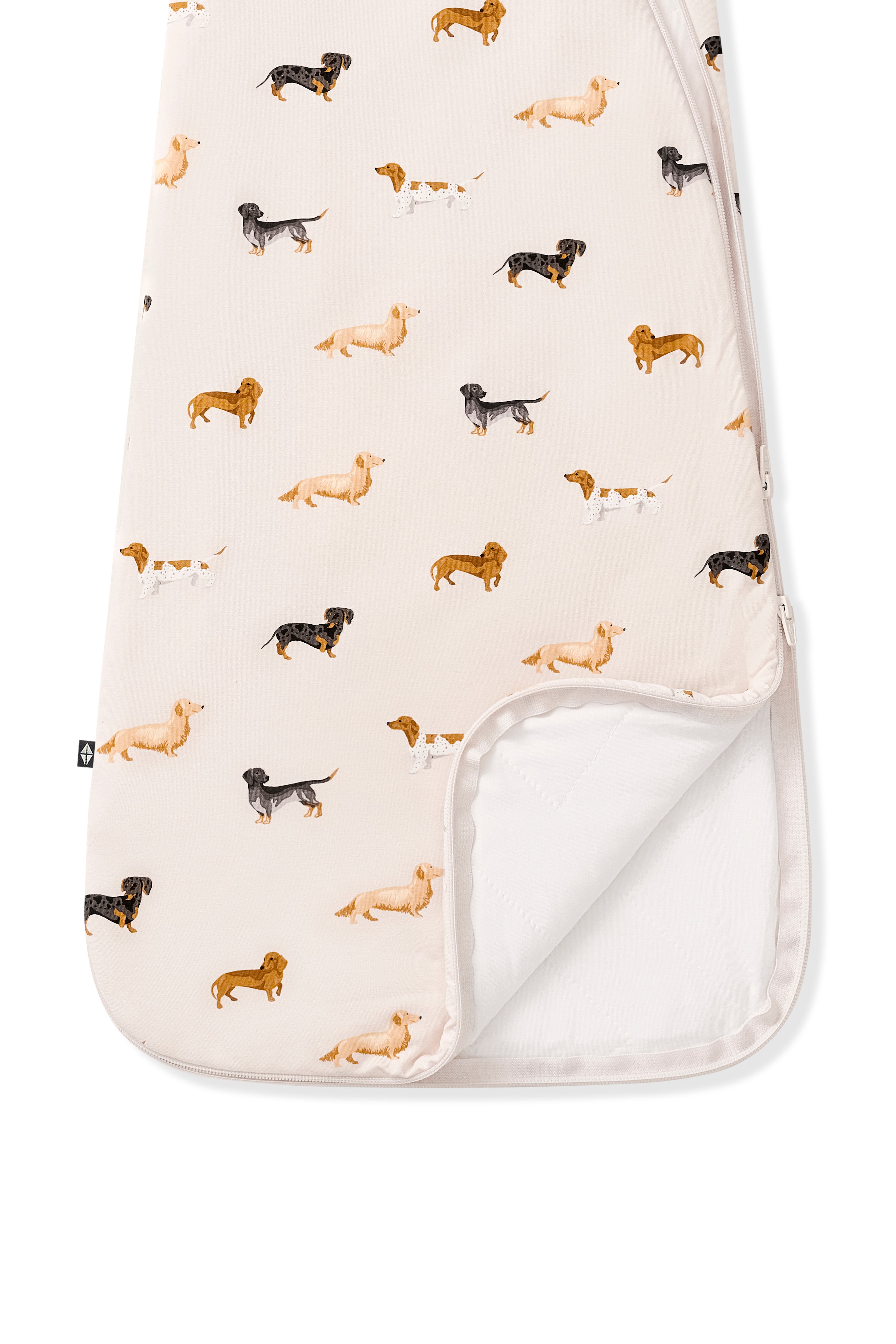
Always wash new baby clothes before the first wear. Manufacturing residues, dyes, and chemicals from packaging can irritate sensitive skin. This applies to all baby textiles: clothes, sheets, blankets, sleep sacks, and towels.
Fabric Softener: Skip It
Fabric softeners coat fibers with a waxy residue that can irritate baby's skin and reduce the absorbency of cloth diapers, burp cloths, and towels. Dryer balls (wool or rubber) soften clothes without chemicals and help them dry faster. A pack of wool dryer balls costs $10 to $15 and lasts for years.
Dealing with Baby Stains
Baby stains are mostly protein-based (milk, formula, spit-up, poop) or food-based (purees, juice). Here's the quick stain protocol:
**Rinse immediately with cold water.** Hot water sets protein stains.
**Apply stain remover or dish soap** directly to the stain. Let it sit 10 to 15 minutes.
**Wash in the warmest water the fabric allows.** Check the care label.
**Check the stain before drying.** Heat from the dryer sets stains permanently. If the stain is still visible, treat and wash again.
**For set-in stains:** Soak overnight in a bucket with Oxiclean Baby dissolved in cold water. This saves about 80% of "ruined" clothes.
The Bottom Line
Start with a fragrance-free, dye-free regular detergent (like All Free & Clear or Tide Free & Gentle). If baby's skin is fine, you're done. If you notice irritation, redness, or eczema flare-ups, try switching to a plant-based option. You don't need to spend extra on a product just because it says "baby" on the label.