
Baby Sleep Regressions: When They Hit and How to Survive
You finally got your baby sleeping in longer stretches. You're getting 4, maybe 5 hours in a row. You start feeling human again. Then suddenly, without warning, they're waking every 45 minutes like a newborn. Welcome to sleep regression. It's not your fault and it's not permanent.
What's Actually Happening
Sleep regressions aren't your baby forgetting how to sleep. They're developmental leaps. Your baby's brain is busy learning new skills (rolling, crawling, talking, understanding object permanence), and this brain activity disrupts sleep patterns. It's actually a sign of healthy development, which doesn't make it any less miserable.
The 4-Month Regression
**When:** 3.5 to 4.5 months.
**Why:** This is the big one. Baby's sleep architecture permanently changes from newborn-style sleep (two stages) to adult-style sleep (four stages). This means more transitions between sleep cycles, and baby wakes fully at each transition instead of staying asleep. This regression doesn't really end. It's a permanent change. Baby needs to learn to fall back asleep at sleep cycle transitions.
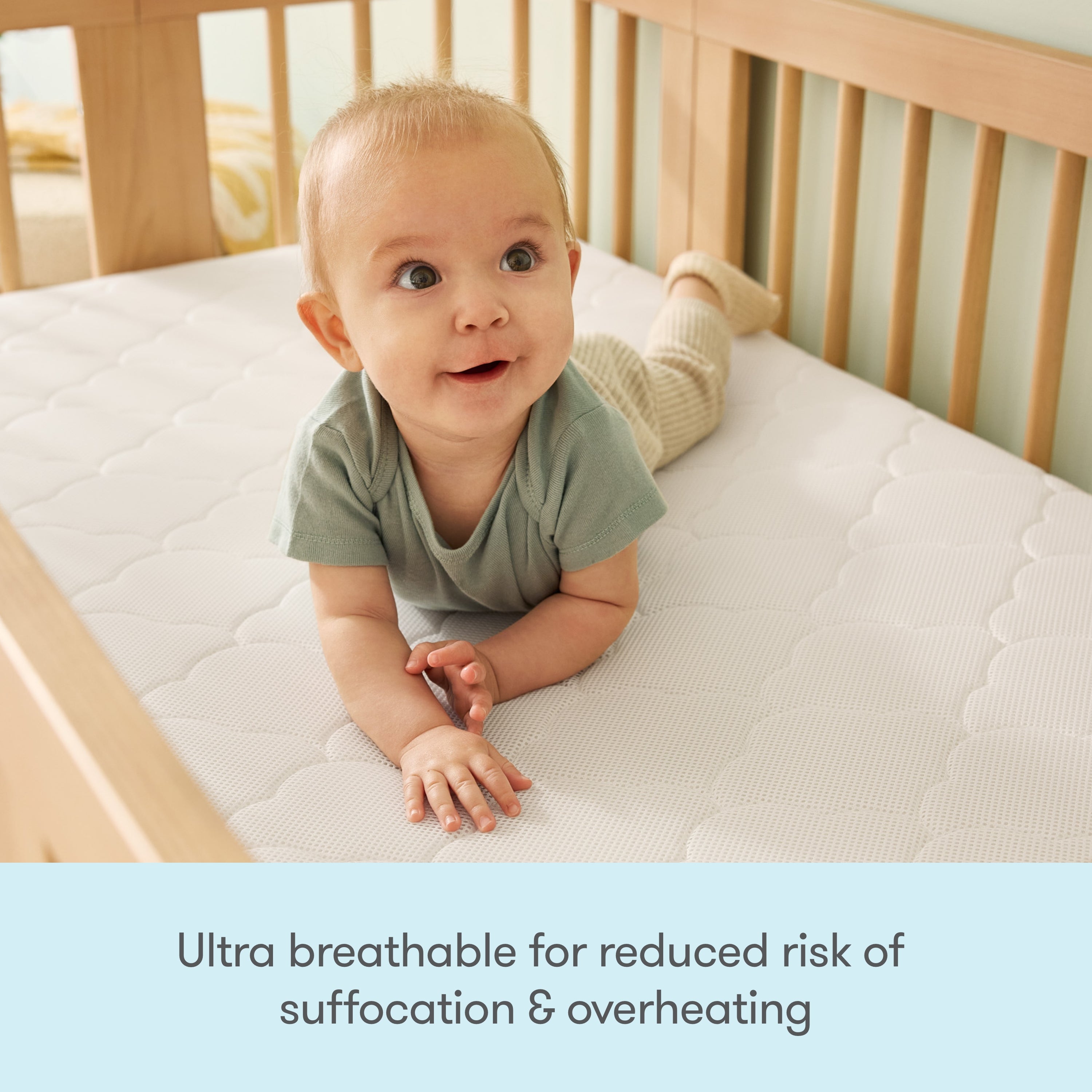
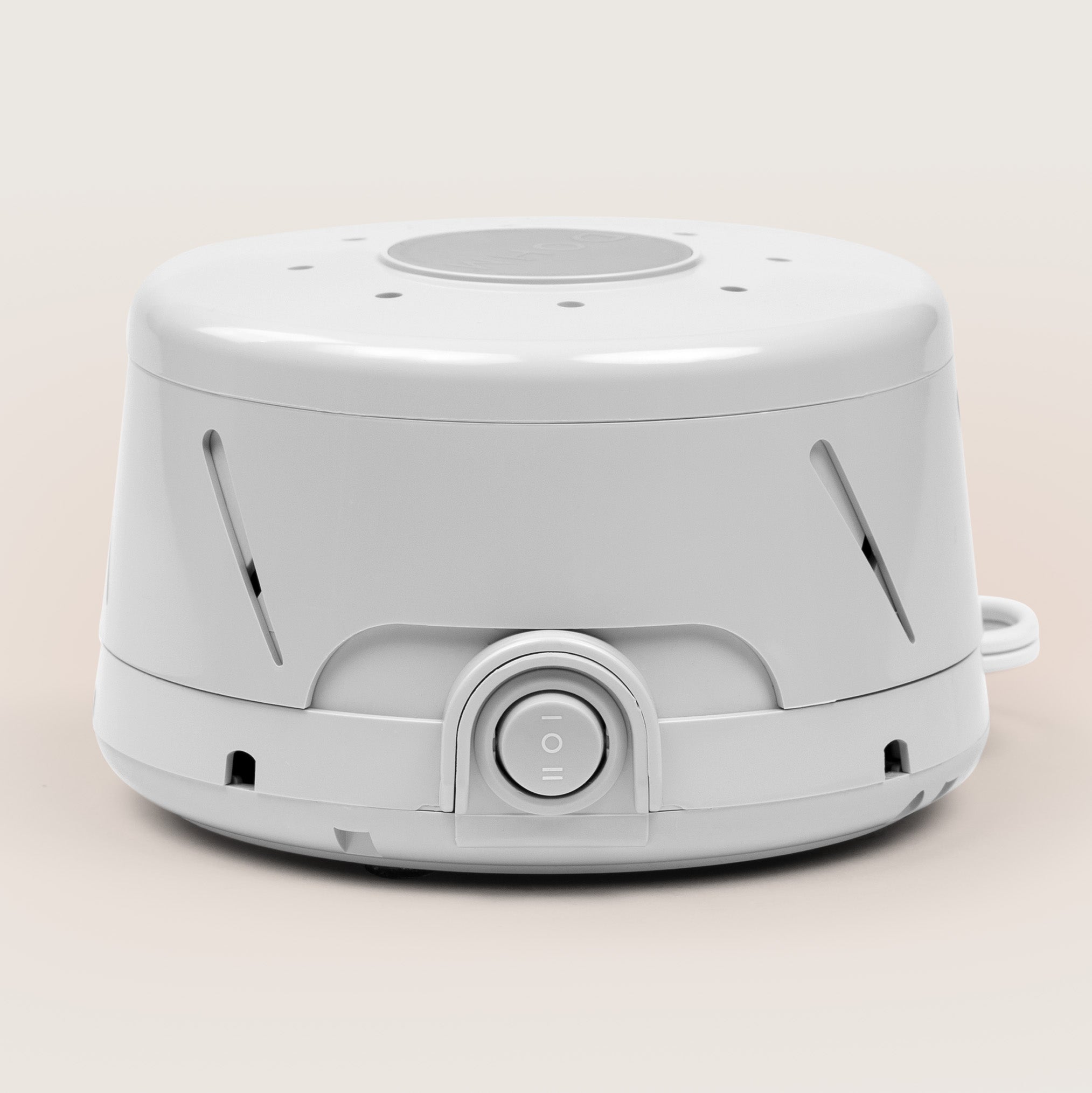
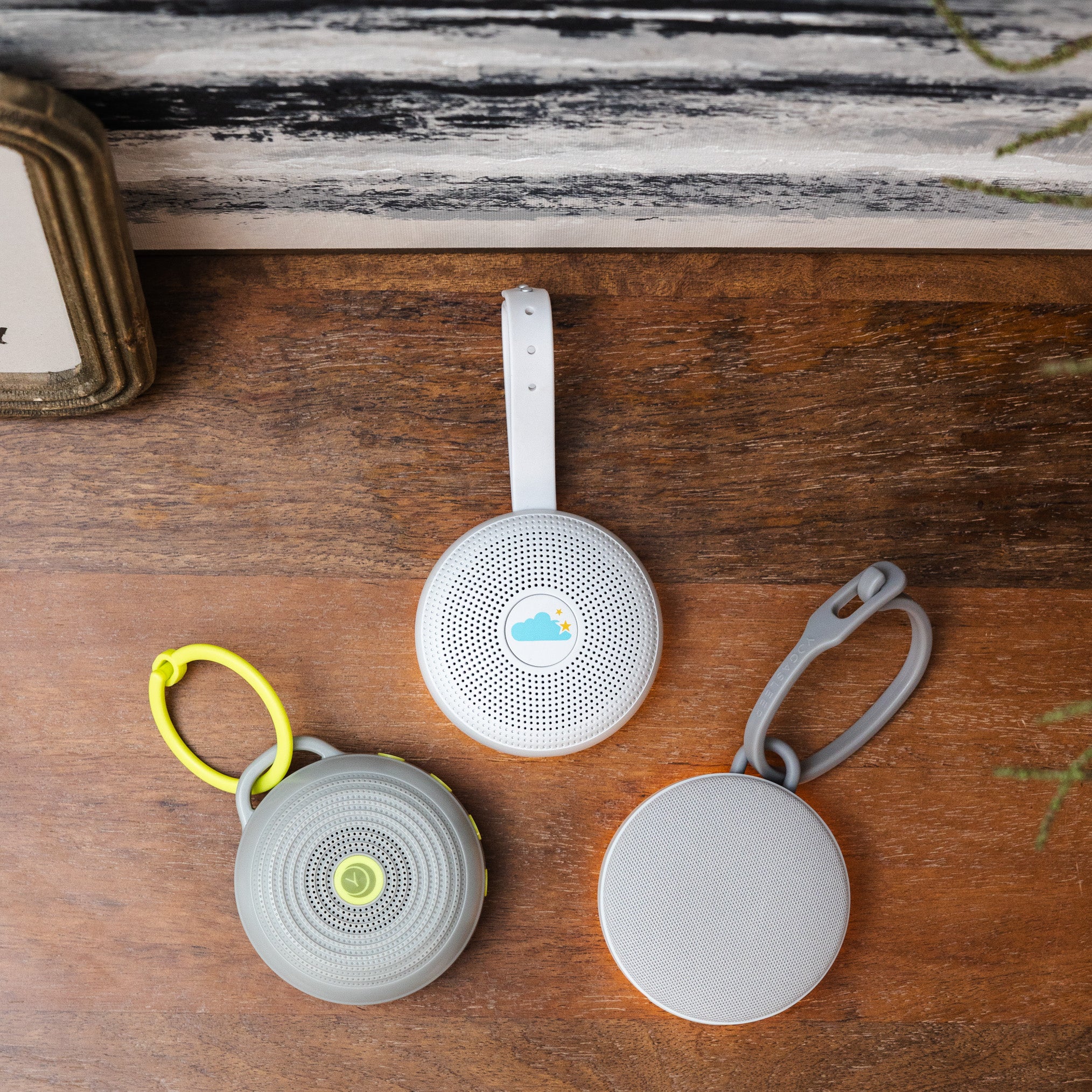
**What to do:** This is often when families start considering sleep training. If you haven't already, work on putting baby down drowsy but awake so they start learning to self-soothe. Keep the room dark, use white noise, and try not to rush in at the first sound (give baby 2 to 3 minutes to see if they resettle).
The 6-Month Regression
**When:** Around 6 months, though not every baby goes through this one.
**Why:** Major motor development (sitting, early crawling), starting solids, and possible teething all converge around 6 months. Baby might practice sitting up in the crib at 2am because they can't help it. Their brain is busy.
**What to do:** Make sure baby gets plenty of practice with new skills during the day. A baby who's been working on sitting all day is less likely to practice at night. Maintain your bedtime routine and don't introduce new sleep associations (rocking, feeding to sleep) that you'll have to break later.
The 8 to 10-Month Regression
**When:** 8 to 10 months.
**Why:** Separation anxiety peaks around this age. Baby now understands that you exist when you leave the room, and they're not happy about it. Crawling and pulling to stand also mean baby can move around the crib and get into positions they can't get out of.
**What to do:** Practice separations during the day (peekaboo is literally separation anxiety training). If baby is standing in the crib and crying, lay them back down once, but don't make it a game. Keep reassurance brief and boring. This one usually lasts 2 to 4 weeks.
The 12-Month Regression
**When:** Around 12 months.
**Why:** Walking (or attempting to walk), language development, and a nap transition from two naps to one can all disrupt sleep. Some babies also start refusing their second nap, which throws the whole schedule off.
**What to do:** Don't drop to one nap too early (most babies aren't ready until 14 to 18 months). Keep offering two naps even if baby resists. Maintain bedtime routines. This one is usually shorter (1 to 2 weeks).
The 18-Month Regression
**When:** 18 months.
**Why:** A burst of independence, language explosion, and possibly the two-to-one nap transition if it hasn't happened yet. Toddlers at this age are also testing boundaries hard, and that includes bedtime.
**What to do:** Hold firm on boundaries. If bedtime is 7:30, it's 7:30. Toddlers thrive on consistency even while they fight it. Offer comfort but don't renegotiate the routine. This regression can be the most frustrating because your toddler can now yell "Mama!" or "Dada!" from the crib, which is much harder to ignore than crying.
General Survival Tips
Don't create new habits you'll regret. If you start cosleeping, rocking to sleep, or feeding to sleep during a regression, that becomes the new expectation. Regressions last 2 to 6 weeks. New habits last much longer.
Take shifts with your partner. One parent does the first half of the night, the other does the second half. Both of you getting 4 to 5 solid hours is better than both getting fragmented sleep.
It ends. Every regression ends. Your baby will sleep well again. Probably right before the next regression starts.